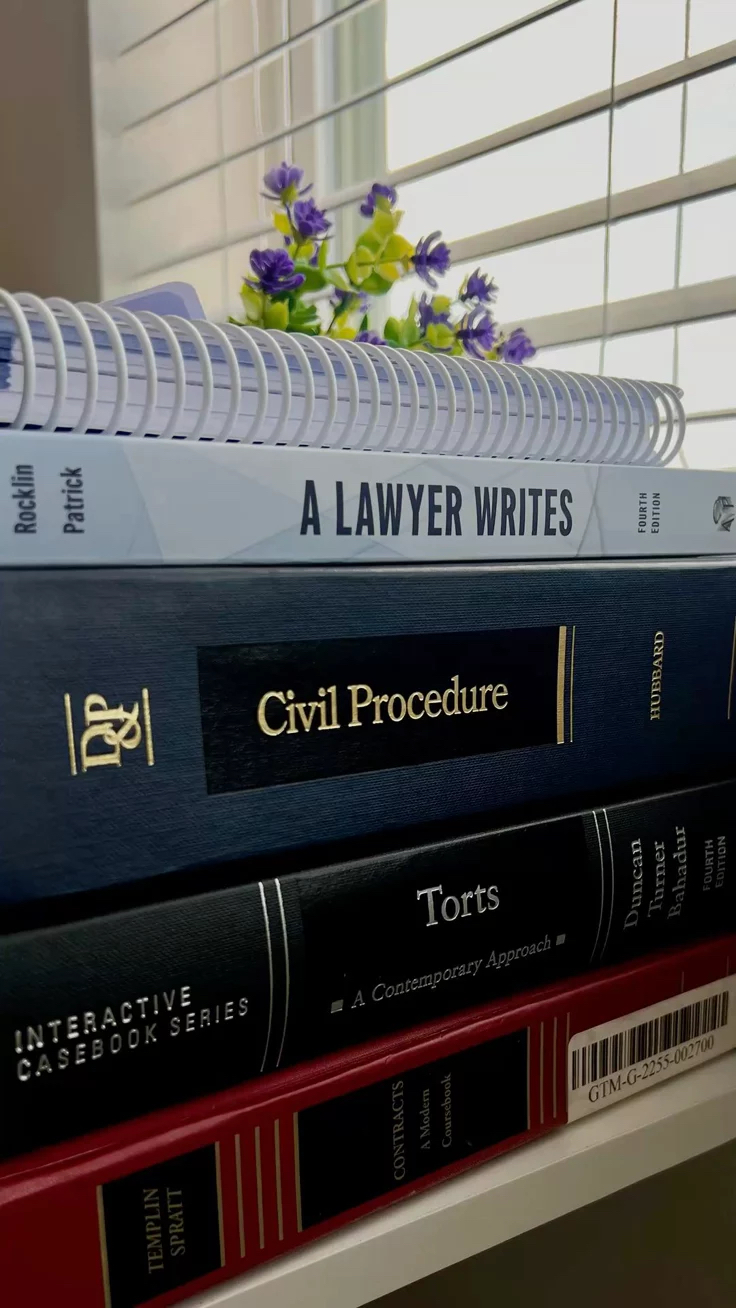
Building a collection of law books is a vital step for anyone pursuing a career in the United States justice system.
These foundational texts act as the bedrock for your academic success and long term professional excellence.
Whether you are navigating your first year of school or preparing for a complex trial, having the right resources at your fingertips makes a significant difference.

Law books
Quality legal education requires more than just classroom lectures. It demands a deep dive into primary sources and authoritative commentaries. By investing in high-quality materials, you sharpen your ability to interpret intricate statutes and procedural requirements effectively.
Mastering legal research is a skill that separates great practitioners from the rest. When you surround yourself with reliable literature, you gain the confidence to handle challenging cases with precision. Start curating your library today to ensure you remain ahead in this competitive field.
Key Takeaways
- Curating a personal library supports both academic and professional growth.
- Foundational texts are essential for mastering complex doctrines.
- High-quality resources improve your ability to perform thorough research.
- Investing in the right materials builds confidence for courtroom success.
- Consistent study habits are bolstered by having reliable references nearby.
The Importance of Building a Personal Legal Library
A curated collection of legal texts is more than just a bookshelf; it is a professional toolkit that grows alongside your expertise. Building a personal library is a true rite of passage that transforms a student into a lifelong learner. By investing in essential law student resources, you establish a foundation that supports your academic and professional growth.
Relying solely on borrowed materials during high-pressure semesters can often hinder your progress. When you own the best law books, you gain the freedom to annotate, highlight, and revisit complex concepts whenever necessary. This immediate access ensures that you are never left searching for critical information during a time-sensitive research project.
A well-maintained collection of law books acts as a reliable reference point for navigating the nuances of American jurisprudence throughout your career. These volumes serve as trusted companions that provide clarity when you face difficult legal questions. Owning your own library empowers you to build a legacy of knowledge that will serve you long after you leave the classroom.
Foundational Law Books for First-Year Law Students
Your first year of law school is a transformative journey that demands a specific set of intellectual tools. Navigating the complexities of legal education requires more than just grit; it requires access to high-quality law student resources that simplify dense judicial opinions. By investing in the right materials early, you can turn the stress of the 1L experience into a structured path toward academic success.
Understanding Legal Reasoning and Case Briefing
The core of your training involves learning how to dissect court decisions and extract the underlying rules of law. Effective law school study aids provide clear frameworks for case briefing, allowing you to synthesize complex arguments into actionable insights. These books act as a roadmap, teaching you how to identify the holding, the rationale, and the procedural posture of any case.
When you master these techniques, you stop merely reading cases and start thinking like a lawyer. This shift is essential for your long-term growth in the legal field. Having a reliable guide on your desk ensures that you never feel lost when facing a mountain of assigned reading.
Mastering the Socratic Method Through Classic Texts
The Socratic method remains a cornerstone of legal education, often causing anxiety for new students. Fortunately, several classic texts are designed to demystify this rigorous classroom approach. These books offer strategies for active listening and articulate participation, helping you stay composed when called upon by a professor.
By utilizing these law school study aids, you can prepare for the unpredictable nature of cold-calling with confidence. These resources provide the necessary mental preparation to handle intense questioning while maintaining your focus on the legal principles at hand. Integrating these foundational texts into your daily routine will undoubtedly enhance your performance and overall comfort in the classroom.
Essential Reference Materials for Legal Research and Writing
Every great legal argument begins with a solid foundation of legal research and clear, concise writing. In the United States, the ability to cite sources accurately and draft persuasive documents is non-negotiable for any practicing attorney. These skills ensure that your work meets the strict formatting requirements of both federal and state courts.
The Bluebook: A Uniform System of Citation
When it comes to formatting your citations, The Bluebook remains the industry standard. It provides a comprehensive legal citation guide that helps you maintain consistency across all your filings. Mastering this system is essential for ensuring your briefs are taken seriously by judges and clerks.
While the rules can seem dense at first, they are designed to provide a universal language for legal professionals. By following these guidelines, you ensure that your readers can easily locate the authorities you rely on to support your claims.
Effective Legal Writing Manuals for Practitioners
Beyond citation, the quality of your prose determines how effectively you communicate complex ideas. Many practitioners turn to classic manuals to refine their legal writing tips and strategies. These resources help you translate intricate statutes into clear, compelling arguments that resonate with your audience.
Investing in high-quality writing guides allows you to sharpen your advocacy skills over time. Whether you are drafting a motion or a client memorandum, these books provide the structure needed to present your case with confidence and clarity.Resource NamePrimary FocusBest ForThe BluebookCitation StandardsCourt FilingsThe Elements of StyleGeneral GrammarClear ProsePoint MadePersuasive WritingTrial AdvocacyLegal Writing in Plain EnglishConcisenessClient Memos
Top Law Books for Mastering Constitutional Law
Constitutional law serves as the bedrock of the US legal system, demanding rigorous study of its core principles. To truly grasp how the government functions, students must engage with texts that bridge the gap between abstract theory and practical application.
Key Treatises on American Constitutional Theory
When building your library, prioritize authoritative constitutional law treatises that offer deep insights into the structure of our government. These books provide the necessary framework to understand how the Constitution has been interpreted over the centuries.
Leading scholars often recommend works that dissect the separation of powers and individual rights. By studying these foundational texts, you will develop a sharper perspective on how the US legal system balances authority and liberty.
Historical Perspectives on Supreme Court Jurisprudence
Understanding the evolution of the law requires a look at Supreme Court history. The decisions handed down by the high court have fundamentally shaped the rights and responsibilities of every citizen.
Reading comprehensive accounts of landmark cases allows you to see the historical context behind modern rulings. These books are essential for anyone looking to master the nuances of Supreme Court history through the lens of influential constitutional law treatises.
By analyzing these historical shifts, you gain a better grasp of how legal doctrine adapts to changing societal needs. This knowledge is vital for any lawyer aiming to provide sound counsel in a complex legal landscape.
Recommended Law Books for Civil Procedure and Litigation
Navigating the intricate world of civil litigation demands both technical precision and the ability to tell a compelling story. Whether you are a law student or a new practitioner, your success often depends on how well you manage the rules of the court. Having the right resources at your fingertips can make the difference between a dismissed motion and a favorable judgment.
Navigating the Federal Rules of Civil Procedure
Mastering the Federal Rules of Civil Procedure (FRCP) is essential for any lawyer involved in civil litigation. These rules dictate the flow of every case, from the initial filing to the final appeal. A high-quality civil procedure guide helps simplify these complex requirements, ensuring that you can handle discovery and motions practice with total confidence.
Many practitioners rely on annotated versions of the rules to understand how courts interpret specific provisions. These books provide invaluable context that goes beyond the plain text of the law. By studying these resources, you will learn how to avoid common procedural pitfalls that often trip up inexperienced attorneys.
Strategies for Effective Trial Advocacy
Once you have mastered the rules, the next step is to refine your performance in the courtroom. Top-tier trial advocacy books offer actionable strategies for presenting evidence and delivering powerful opening and closing statements. These texts teach you how to translate dry facts into a narrative that resonates with a judge or jury.
Developing a sound litigation strategy requires more than just knowing the law; it requires the ability to anticipate your opponent’s moves. The best books in this field provide frameworks for witness preparation and cross-examination techniques. Investing in these resources will sharpen your skills and help you maintain composure under the pressure of a live trial.
Must-Read Law Books for Professional Ethics and Practice
Ethical practice serves as the bedrock for every reputable attorney in the United States. While law school provides the initial framework, the reality of daily practice often presents challenges that require a deep understanding of legal ethics. Investing in high-quality literature on this subject helps practitioners maintain their integrity and protect their professional licenses.

Legal ethics
Understanding the Model Rules of Professional Conduct
The American Bar Association (ABA) sets the standard for professional conduct rules across the country. Most states adopt these guidelines as the basis for their own disciplinary codes. Attorneys should keep a current, annotated version of these rules on their desks at all times.
Beyond the text itself, several commentaries provide essential context for interpreting these regulations. These books break down complex legalese into actionable advice for daily operations. By studying these resources, you ensure that your firm remains compliant with evolving state requirements.
Navigating Ethical Dilemmas in Modern Legal Practice
Real-world scenarios often fall into gray areas where the path forward is not immediately clear. Developing a strong grasp of attorney ethics requires more than just memorizing rules; it demands the ability to apply them to difficult client situations. Many practitioners turn to case-based study guides to sharpen their judgment.
These books offer practical strategies for handling common pitfalls, such as:
- Managing conflicts of interest between multiple clients.
- Maintaining strict client confidentiality in the digital age.
- Handling trust accounts and billing disputes with transparency.
- Navigating the boundaries of zealous advocacy versus candor to the court.
Ultimately, your reputation is your most valuable asset in the legal profession. Consistently applying professional conduct rules builds trust with clients and peers alike. By prioritizing these texts, you demonstrate a commitment to the highest standards of legal ethics and long-term success.
Curating Your Collection of Essential Law Books
Strategic planning is the secret to assembling a high-quality library that serves your career goals. You do not need to purchase every volume on the market to create a functional workspace. Instead, focus on acquiring resources that align with your specific professional trajectory.
Prioritizing Books Based on Your Legal Specialization
When you begin building a law library, start by identifying your primary area of interest. If you are leaning toward corporate law, prioritize texts on contract drafting and business organizations. Conversely, those pursuing criminal defense should seek out authoritative guides on evidence and constitutional procedure.
Selecting the best law books for your niche ensures that your investment provides immediate value. You might find that a specialized treatise is far more useful than a general textbook. Always look for updated editions to ensure the information remains current and legally accurate.
Building a Library on a Student Budget
Managing your finances while in school is a common challenge, but it should not stop you from collecting essential law books. Many students find success by purchasing used copies from reputable online marketplaces or campus bookstores. These editions often contain the same core information as newer versions at a fraction of the cost.
Consider investing in reliable secondary sources that offer broad overviews of complex topics. These resources often provide excellent summaries that help you grasp difficult concepts without needing an entire shelf of expensive volumes. By being selective and patient, you can build a professional collection that grows alongside your legal career.
Digital Versus Print: Choosing the Right Format for Your Legal Library
Modern legal professionals often find themselves choosing between the tactile experience of print and the speed of digital databases. Building a digital legal library alongside a collection of physical volumes is now the standard approach for success. Understanding the unique benefits of each format will help you tailor your resources to your specific needs.

Print vs digital law books
The Advantages of Physical Law Books for Deep Study
Many students and lawyers find that physical books offer a superior environment for deep concentration. When you hold a heavy volume, you are less likely to be distracted by notifications or the urge to browse the web. This physical engagement often helps with spatial memory, allowing you to recall where a specific rule or case was located on a page.
Furthermore, print books do not require a power source or an internet connection. They provide a reliable, permanent reference that remains accessible regardless of software updates or subscription changes. For complex legal theory, the ability to flip through pages quickly can be a significant advantage for your comprehension.
Leveraging Digital Databases and E-books for Efficiency
In contrast, a digital legal library excels when you need to find specific information in seconds. Platforms like Westlaw or LexisNexis allow you to search through thousands of documents using precise keywords. This level of efficiency is essential for modern practice, where time is often your most valuable asset.
Ebooks also offer unmatched portability, letting you carry an entire shelf of casebooks on a single tablet. When considering print vs digital law books, it is helpful to look at how they compare in a professional setting:FeaturePhysical BooksDigital DatabasesSearchabilityManual IndexingInstant Keyword SearchPortabilityHeavy and LimitedHigh (Cloud-based)FocusHigh (No Distractions)Variable (Multi-tasking)
Ultimately, the best strategy is to embrace a hybrid model. Use print for foundational texts that require deep study and rely on digital tools for rapid research. Balancing print vs digital law books ensures you have the right tool for every stage of your legal career.
Conclusion
Building a personal collection of law books serves as a vital investment in your long-term success as a legal professional. These resources provide the intellectual foundation required to navigate complex cases and evolving statutes throughout your career.
By carefully selecting foundational texts, reference materials, and specialized guides, you create a reliable support system for your academic and professional journey. A well-curated library acts as a constant companion during late-night study sessions and high-stakes litigation preparation.
Start organizing your own collection today to maintain a competitive edge in the American legal landscape. Your commitment to gathering high-quality legal literature reflects your dedication to excellence and mastery of the law. Reach out to peers or mentors to discuss which volumes have shaped their practice and begin building your legacy today.
FAQ
Why should I invest in a personal legal library instead of just using the law school library?
While the campus library is a great resource, having your own collection ensures you have 24/7 access to foundational texts during high-pressure periods like finals week or while drafting urgent motions. Building a personal library with brands like West Academic and Foundation Press allows you to highlight, annotate, and keep permanent reference points that will serve you well into your professional career in the United States.
What is the best book for a 1L student to understand the Socratic method and legal reasoning?
Many law students and professors highly recommend “Getting to Maybe: How to Excel on Law School Exams” by Richard Michael Fischl and Jeremy Paul. This classic text, often paired with Black’s Law Dictionary, helps students transition from undergraduate thinking to the rigorous analytical style required to synthesize complex judicial opinions and survive the 1L cold-call experience.
Is “The Bluebook” really necessary for every law student and practicing attorney?
Absolutely. The Bluebook: A Uniform System of Citation is the definitive authority for legal formatting in the United States. Whether you are a student writing for the Law Review or a practitioner filing a brief in federal court, precise citation is non-negotiable. Keeping the latest edition on your desk ensures your work maintains the high level of professionalism expected by judges and legal peers.
Which resource is considered the “gold standard” for mastering Constitutional Law?
For a deep dive into American constitutional theory and Supreme Court jurisprudence, Erwin Chemerinsky’s treatise, “Constitutional Law: Principles and Policies,” is widely regarded as the most authoritative and accessible resource. It provides a comprehensive look at the evolution of constitutional interpretation, making it an essential addition to any legal professional’s shelf.
How can I stay up to date on the Federal Rules of Civil Procedure (FRCP)?
Mastering civil litigation requires a reliable, updated copy of the Federal Rules of Civil Procedure. In addition to the rules themselves, many practitioners rely on the “O’Connor’s” series or Westlaw practice guides to navigate discovery, motions practice, and trial advocacy strategies. These resources translate dense procedural requirements into actionable steps for the courtroom.
What are the best books for learning about professional ethics and the Model Rules of Professional Conduct?
To prepare for the MPRE and daily practice, you should own the American Bar Association (ABA) edition of the Model Rules of Professional Conduct. For more practical guidance on navigating ethical dilemmas, the Restatement (Third) of the Law Governing Lawyers is a vital resource that helps attorneys maintain integrity and protect their professional licenses.