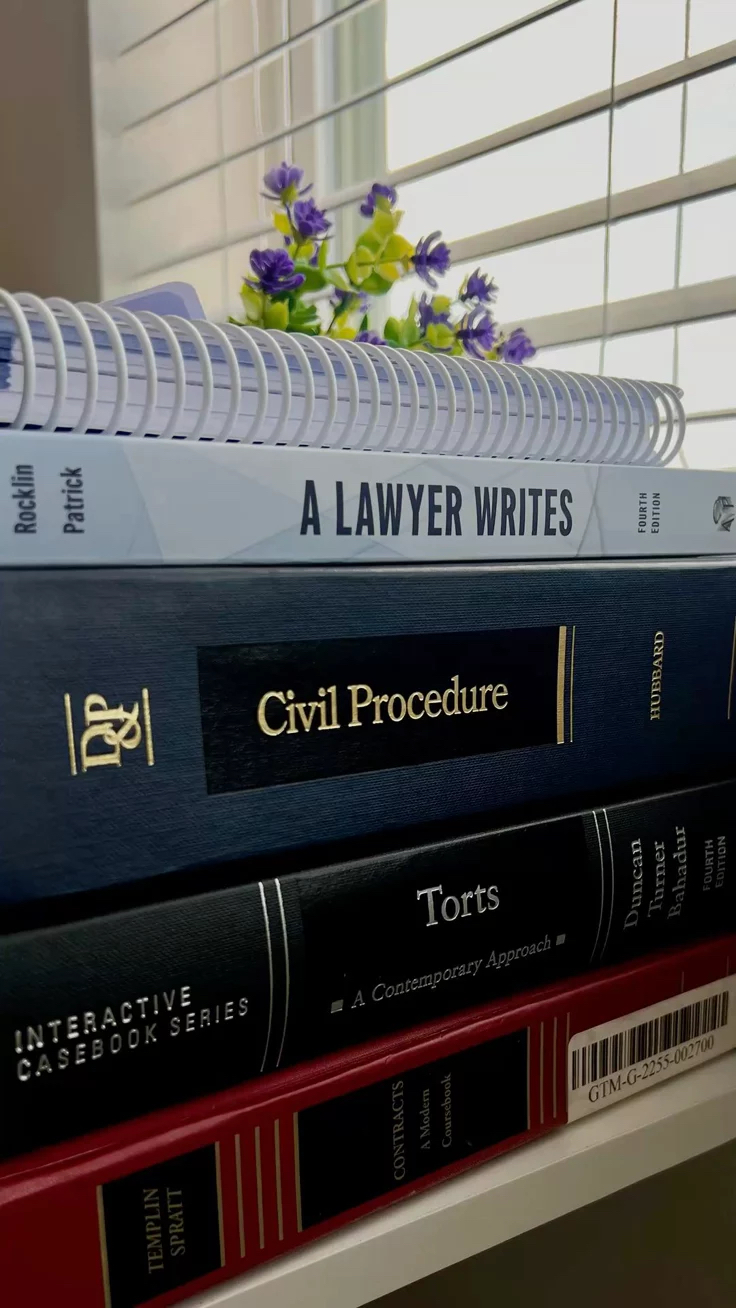
The legal profession demands more than a thorough understanding of statutes, case law, and courtroom procedures. Great lawyers are not only skilled advocates but also critical thinkers, persuasive communicators, ethical decision-makers, and lifelong learners. One of the most effective ways to develop these qualities is through reading.
Whether you are a law student, a newly qualified attorney, or an experienced legal practitioner, investing time in quality law books can sharpen your legal reasoning, improve your advocacy skills, and broaden your understanding of justice and society.
In this article, we explore 15 books every lawyer should read and why these law books remain essential resources for legal professionals worldwide.
Why Lawyers Should Read Beyond Legal Textbooks
Many lawyers focus exclusively on statutes, legal journals, and case reports. While these resources are indispensable, reading broader legal literature provides valuable insights into human behavior, negotiation, ethics, leadership, and justice.
The best law books help lawyers:
- Develop analytical thinking skills
- Improve legal writing and communication
- Understand legal history and philosophy
- Enhance negotiation and advocacy abilities
- Gain practical insights from experienced legal professionals
With that in mind, here are 15 must-read law books for every lawyer.
1. To Kill a Mockingbird by Harper Lee
No list of essential law books would be complete without To Kill a Mockingbird. The novel follows Atticus Finch, a lawyer who defends an innocent Black man falsely accused of a crime in the racially divided American South.
The book teaches important lessons about courage, integrity, justice, and professional responsibility. Atticus Finch remains one of literature’s greatest examples of ethical legal practice.
Key Lesson:
A lawyer’s duty extends beyond winning cases to upholding justice and fairness.
2. The Rule of Law by Tom Bingham
Tom Bingham, one of Britain’s most respected judges, explains the concept of the rule of law and why it is fundamental to democratic societies.
This book explores legal accountability, human rights, equality before the law, and judicial independence in a way that is accessible to both lawyers and non-lawyers.
Key Lesson:
Strong legal systems are built upon transparency, fairness, and accountability.
3. Getting to Yes by Roger Fisher and William Ury
Negotiation is one of the most important skills in legal practice. Getting to Yes remains one of the most influential books ever written on negotiation strategy.
The authors present a principled negotiation framework that helps parties reach mutually beneficial agreements while preserving relationships.
Key Lesson:
Focus on interests rather than positions to achieve better outcomes.
4. Letters to a Young Lawyer by Alan Dershowitz
Written as a series of letters to aspiring legal professionals, this book offers practical advice about legal careers, ethics, advocacy, and professional development.
Dershowitz shares insights gained throughout decades of litigation and teaching.
Key Lesson:
Success in law requires continuous learning and adaptability.
5. The Bramble Bush by Karl Llewellyn
Often recommended to first-year law students, The Bramble Bush provides a realistic introduction to legal education and legal thinking.
The book explains how lawyers analyze cases, interpret precedents, and solve legal problems.
Key Lesson:
Legal reasoning is a skill developed through practice and critical analysis.
6. Gideon’s Trumpet by Anthony Lewis
This compelling book tells the true story of Clarence Earl Gideon, whose fight for legal representation led to a landmark Supreme Court decision guaranteeing legal counsel for criminal defendants.
It highlights the importance of access to justice and constitutional rights.
Key Lesson:
Legal systems must protect even the most vulnerable members of society.
7. Thinking Like a Lawyer by Frederick Schauer
This book examines the unique methods lawyers use to analyze legal problems.
Schauer explores concepts such as precedent, legal interpretation, analogical reasoning, and judicial decision-making.
Key Lesson:
Legal thinking involves structured reasoning and disciplined analysis.
8. Just Mercy by Bryan Stevenson
Bryan Stevenson shares his experiences representing individuals who were wrongly convicted or unfairly sentenced.
The book exposes systemic flaws in criminal justice systems and demonstrates the transformative power of legal advocacy.
Key Lesson:
Compassion and justice should guide legal practice.
9. Making Your Case by Antonin Scalia and Bryan Garner
Written by a Supreme Court Justice and a leading legal writing expert, this book focuses on persuasive advocacy.
It offers practical guidance on oral arguments, legal writing, courtroom presentation, and effective persuasion.
Key Lesson:
Clear communication is one of a lawyer’s most powerful tools.
10. The Common Law by Oliver Wendell Holmes Jr.
Considered a legal classic, this book explores the evolution of legal principles and the role of courts in shaping society.
Holmes argues that law develops through experience rather than abstract logic.
Key Lesson:
Legal rules evolve in response to societal needs and realities.
11. The Path of the Law by Oliver Wendell Holmes Jr.
This influential essay remains one of the most important works in legal scholarship.
Holmes challenges lawyers to think critically about the practical effects of legal rules rather than relying solely on theory.
Key Lesson:
The practical consequences of legal decisions matter greatly.
12. The Legal Analyst by Ward Farnsworth
This book introduces lawyers to the principles of logic, reasoning, and analytical thinking.
Farnsworth presents complex concepts in a clear and engaging manner, making it an excellent resource for lawyers seeking to strengthen their critical thinking abilities.
Key Lesson:
Strong analytical skills lead to better legal arguments.
13. A Civil Action by Jonathan Harr
Based on a real case, this book chronicles a complex environmental lawsuit involving allegations of water contamination.
The narrative provides valuable insights into litigation strategy, client management, evidence gathering, and the realities of legal practice.
Key Lesson:
Legal cases often involve significant personal, financial, and ethical challenges.
14. On Writing Well by William Zinsser
Although not strictly a legal text, this book is invaluable for lawyers.
Legal professionals spend much of their careers writing briefs, contracts, opinions, and correspondence. Zinsser’s guidance on clarity and simplicity can significantly improve legal writing.
Key Lesson:
Good writing enhances credibility and persuasion.
15. The Concepts and Functions of Law by H.L.A. Hart
H.L.A. Hart remains one of the most influential legal philosophers of the modern era.
His work explores the nature of law, legal obligations, authority, and the relationship between law and morality.
Key Lesson:
Understanding legal philosophy strengthens legal reasoning.
How These Law Books Can Improve Your Career
Reading these law books can benefit lawyers at every stage of their careers.
For Law Students
These books provide foundational insights into legal reasoning, ethics, and professional expectations.
For Young Lawyers
They offer practical guidance on negotiation, advocacy, writing, and client representation.
For Experienced Practitioners
They encourage reflection on legal principles, professional responsibility, and the broader role of law in society.
By regularly reading quality law books, lawyers can remain intellectually sharp and continue developing professionally.
Building a Personal Law Library
Every lawyer should consider building a personal collection of law books. A well-rounded legal library should include:
- Legal philosophy and jurisprudence
- Advocacy and litigation resources
- Negotiation and dispute resolution books
- Legal writing guides
- Biographies of influential lawyers and judges
- Books on ethics and professional responsibility
A strong legal library serves as both a professional resource and a source of lifelong learning.
Final Thoughts
The legal profession is constantly evolving, and successful lawyers must evolve with it. While legal education provides the foundation, continued reading helps lawyers refine their skills, deepen their understanding of justice, and strengthen their professional judgment.
These 15 law books offer valuable lessons on advocacy, ethics, negotiation, legal reasoning, and the role of law in society. Whether you are just beginning your legal journey or have years of experience, adding these books to your reading list can help you become a more effective and informed legal professional.
If you’re looking to invest in your career, there are few better places to start than with great law books. The knowledge, perspective, and inspiration found in these works can shape your legal practice for years to come.
Related:11 Books You Need to Read as a Law Student Before Law school.
Click on the link below to get free books to add to your library of read books.
https://docs.google.com/forms/d/15NUvKxWzBLDcxiwkqw-AhWjINjt98xo8pi65iIbw2ek/edit?chromeless=1