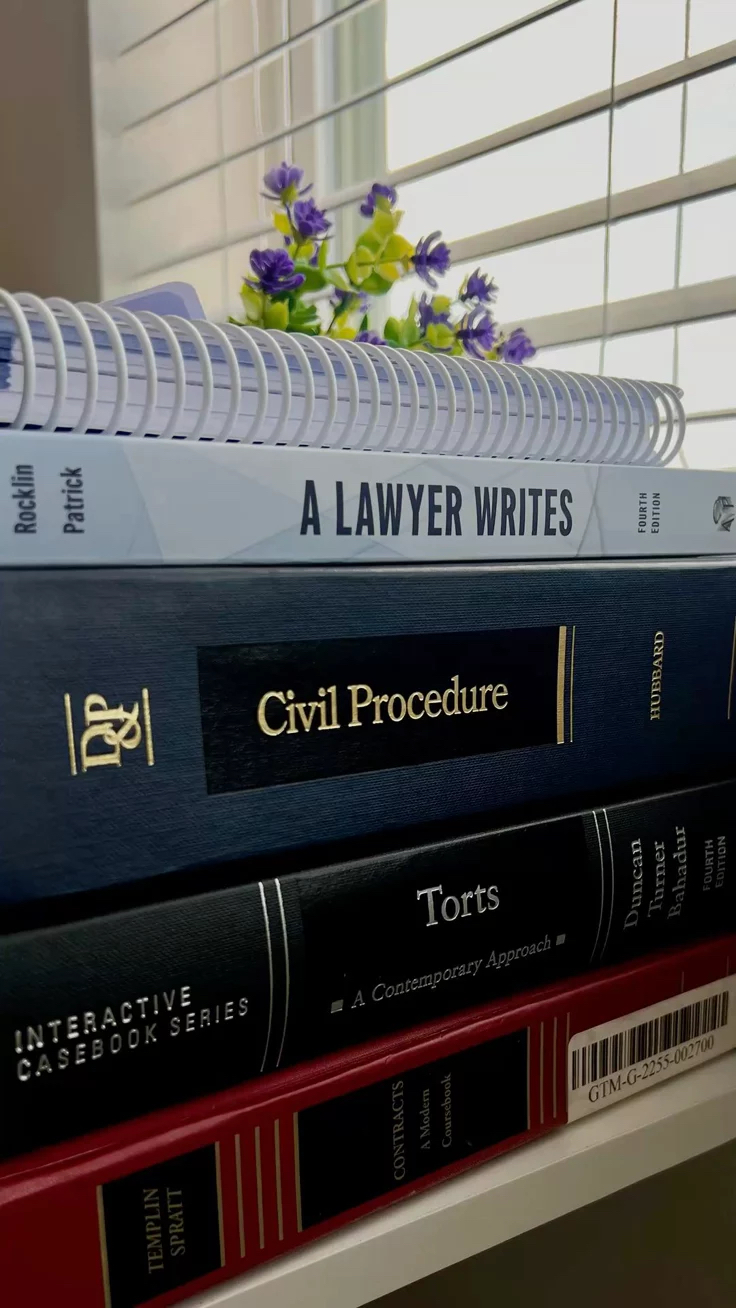
If you are a law student, aspiring lawyer, young legal practitioner, or simply interested in understanding how the law works, reading the right books can significantly improve your knowledge and skills.
In 2026, law ebooks are becoming increasingly useful because they are portable, searchable, and easy to access. Instead of carrying several heavy textbooks, you can have an entire legal library on your phone, tablet, laptop, or e-reader.

But with thousands of legal books available online, where do you start?
This guide highlights 10 law ebooks worth reading in 2026, covering legal skills, research, writing, reasoning, academic success, and professional development.
Why Read Law Ebooks in 2026?
Law is a reading-intensive profession. Students and lawyers constantly need to read statutes, cases, textbooks, articles, journals, contracts, and legal opinions.
Law ebooks make this easier by allowing you to:
- Search for legal concepts quickly.
- Highlight important passages.
- Make digital notes.
- Carry multiple books wherever you go.
- Read during commutes or breaks.
- Build a personal digital law library.
- Revise more efficiently.
However, simply owning legal books is not enough. You need to know how to read, understand, memorize, and apply what you learn.
That is why the following books are worth considering.
1. Mastering the Law: How to Study, Memorize and Recall Legal Principles with Confidence — Rachel Wanjoku
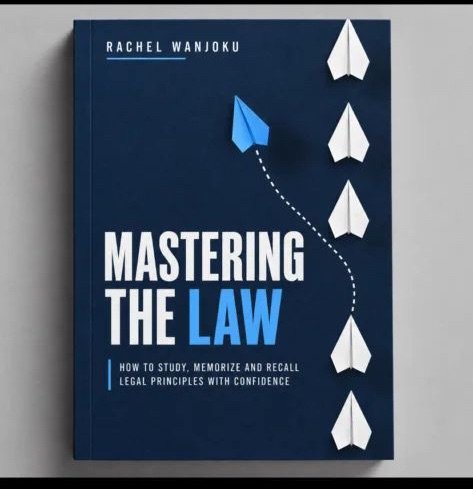
For law students who struggle with the volume of information they are expected to remember, this is a particularly relevant addition to their reading list.
Mastering the Law focuses on the practical side of legal learning: how to study effectively, retain legal principles, and recall them when you need them.
The reality is that law school requires more than simply reading textbooks. Students have to remember principles, cases, statutes, definitions, exceptions, and legal authorities and eventually reproduce that knowledge in examinations or apply it to legal problems.
This ebook is designed around that challenge.
It explores practical approaches to studying and memorizing legal principles while helping readers develop greater confidence in recalling what they have learned.
Best for: Law students who want to improve their study, memory, and recall techniques.
If you are building a personal collection of law ebooks for students, this is one to consider adding.
Get a Copy:https://payhip.com/b/x0yUR
2. Legal Skills — Richard Powell, Jacqueline Martin and others
Legal education is not only about learning legal rules. Students also need to develop the skills required to research, analyse, write, and communicate legal arguments.
Oxford University Press’s Legal Skills provides a broad introduction to academic and practical legal skills. The enhanced ebook also includes resources such as self-test questions, practical exercises, a glossary, videos, and additional learning materials.
Best for: Students developing foundational legal skills.
3. Learning Legal Rules — Holland and Webb
Understanding legal rules is fundamental to studying law.
This book focuses on legal method and provides students with a foundation for understanding how legal rules are identified, interpreted, and applied. Oxford describes it as a legal method textbook designed to help students develop a solid grounding in their legal studies.
Best for: Students who want to improve their understanding of legal reasoning and methodology.
4. Lawyers’ Skills — Webb et al.
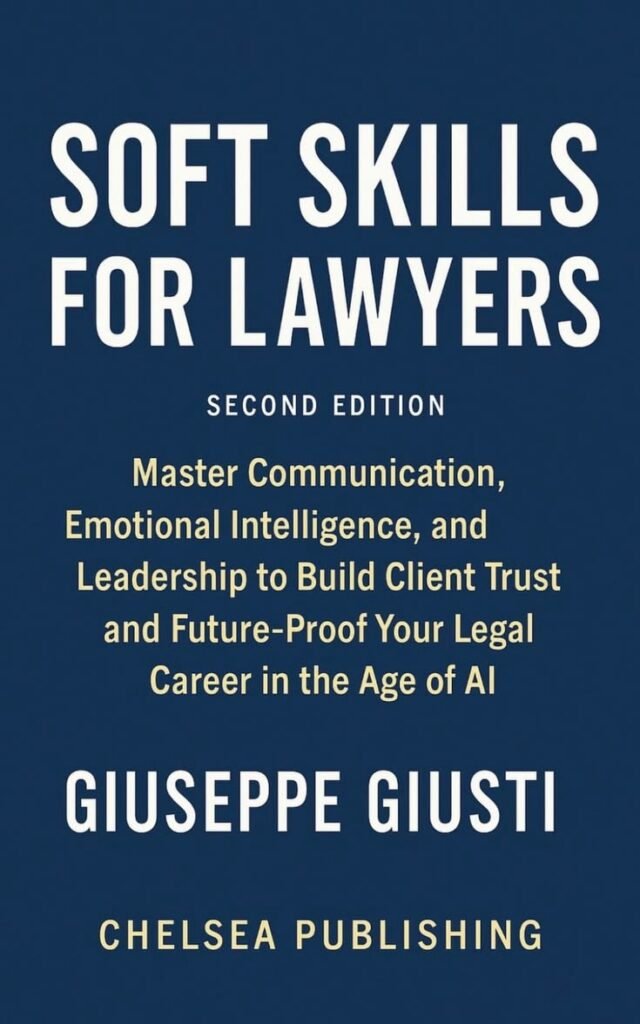
Law school prepares you to understand the law, but legal practice requires much more.
Lawyers need to interview clients, conduct research, draft documents, negotiate, manage workloads, and communicate effectively.
Lawyers’ Skills addresses many of these practical areas, including legal writing, drafting, research, problem-solving, negotiation, advocacy, and workload management.
Best for: Law students, trainees, and aspiring practitioners interested in developing practical legal skills.
5. Legal Systems & Skills
A strong legal education requires an understanding of both how legal systems operate and how lawyers work within them.
Legal Systems & Skills combines legal-system knowledge with academic and professional skills. Its learning resources include self-test questions, practical exercises, additional research resources, and interactive figures.
This makes it useful for students who want something broader than a traditional subject textbook.
Best for: Students looking for a combination of legal knowledge and practical skills.
6. Reading Like a Lawyer

One of the most underrated skills in law is knowing how to read legal material effectively.
Lawyers do not simply read cases from beginning to end like ordinary books. They identify the relevant facts, legal issues, arguments, principles, reasoning, and authorities.
Books focused on reading like a lawyer can therefore be valuable additions to a digital legal library. Penn Carey Law’s legal research and writing ebook collection, for example, includes Reading Like a Lawyer: Mastering the Art of Reading Law Like an Expert.
Best for: Students who want to become faster and more analytical legal readers.
7. Legal Research Demystified
Legal research can feel overwhelming, especially when you are dealing with unfamiliar databases, legislation, cases, journals, and secondary sources.
A practical legal research guide can help students understand how to identify an issue, find appropriate authorities, evaluate sources, and organise their findings.
Penn Carey Law’s ebook collection includes Legal Research Demystified: A Step-by-Step Approach, alongside several other legal research and writing resources.
Best for: Law students, researchers, interns, and young lawyers.
8. A Lawyer Writes: A Practical Guide to Legal Analysis
Legal writing is one of the most important skills a lawyer can develop.
Whether you are preparing a memorandum, opinion, brief, letter, application, or other legal document, your ability to communicate legal reasoning clearly matters.
A practical legal-writing book can help you understand how to organise arguments, analyse legal issues, and write for a legal audience.
Best for: Students and young lawyers who want to become better legal writers.
9. Plain English for Lawyers
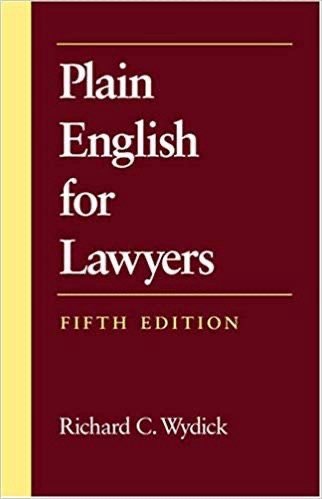
Legal writing does not have to be unnecessarily complicated.
Lawyers communicate with judges, clients, colleagues, government agencies, businesses, and members of the public. Clear writing can therefore be a major professional advantage.
Plain English for Lawyers is another title included in Penn Carey Law’s legal research and writing ebook collection.
The principle behind this type of resource is simple: understand the law deeply enough to explain it clearly.
Best for: Anyone who wants to make their legal writing clearer and more accessible.
10. Unlocking Legal Learning
Studying law requires a combination of academic skills, organisation, critical thinking, and effective revision.
The 4th edition of Unlocking Legal Learning, published by Routledge in 2026, focuses on the legal and academic skills students need to succeed in their studies.
It is particularly relevant for students who want to improve not only their legal knowledge but also the way they approach learning.
Best for: Law students looking to improve their overall approach to studying law.
How to Choose the Right Law Ebook
You don’t necessarily need to read all 10 books at once.
Start by identifying the area where you need the most improvement.
If you struggle with memorization and recall, start with a study-focused resource such as Mastering the Law.
If your challenge is legal research, choose a legal research guide.
If you struggle with legal writing, focus on legal writing and plain-English resources.
If you are developing practical legal skills, consider resources covering interviewing, drafting, negotiation, advocacy, and legal problem-solving.
The best legal library is not necessarily the one with the most books. It is the one containing books that address the skills you actually need to develop.
Key Take away:
Reading remains one of the most important habits for anyone pursuing a career in law.
The right law ebooks can help you understand difficult concepts, develop practical skills, improve your legal writing, conduct better research, and become a more confident student or practitioner.
But remember: reading is only the first step.
The real advantage comes from understanding what you read, remembering it, and knowing how to apply it.
That is exactly why study technique matters.
If you are a law student looking for a practical guide to studying, memorizing, and recalling legal principles with greater confidence, consider adding:
Mastering the Law: How to Study, Memorize and Recall Legal Principles with Confidence
By Rachel Wanjoku
Your digital law library should not only contain books that tell you what the law is. It should also contain resources that teach you how to learn the law effectively.
Ready to Study Law Differently?
Reading more legal books is important—but knowing how to study, remember, and recall what you read can make an even bigger difference.
If you are a law student who struggles with remembering legal principles, cases, and concepts, Mastering the Law: How to Study, Memorize and Recall Legal Principles with Confidence was created with you in mind.
Learn practical strategies to make your legal studies more effective and approach your studies with greater confidence.
Get your copy of Mastering the Law by Rachel Wanjoku and start studying smarter. http://getacopypayhip.com/b/x0yUR