When life takes an unexpected turn, and someone else’s negligence causes harm, the concept of personal injury becomes critically important. Whether you’re building legal awareness, creating content, or preparing for real-life situations, understanding personal injury can give you a decisive advantage
.
Let’s break this down in a clear, compelling, and practical way.
What Is the Legal Definition of Personal Injury?
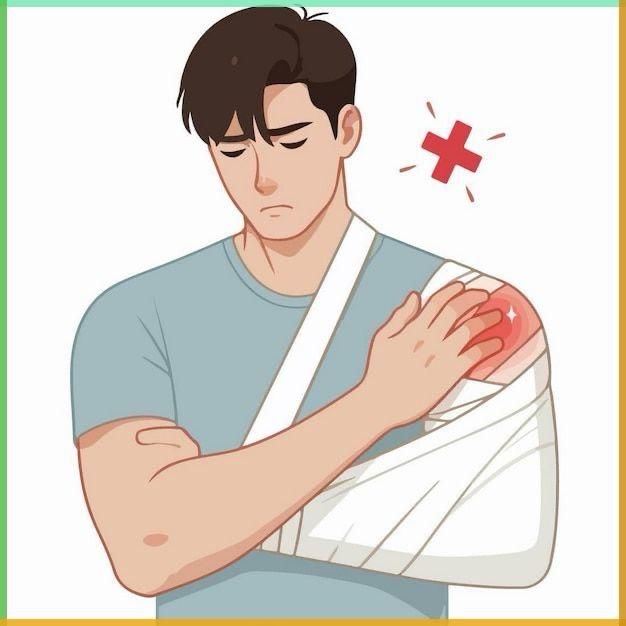
In legal terms, personal injury refers to any physical, emotional, or psychological harm caused to an individual as a result of another party’s negligence, recklessness, or intentional actions.
Unlike property damage claims, personal injury focuses on the human impact your body, your mental health, and your overall quality of life.
In simple but powerful terms:
Personal injury is the legal right to seek compensation when someone else’s actions cause you harm.
This definition is the foundation of claims involving accidents, malpractice, and other harmful incidents. Importantly, it empowers victims to pursue justice and financial recovery.
What Are the 4 Elements of Personal Injury?
To win a personal injury case, you must prove four essential elements. Miss one, and your case collapses no matter how serious the injury is.
1. Duty of Care
First, the defendant must have owed you a legal duty of care.
For example, drivers must drive safely, and doctors must provide competent medical treatment.
2. Breach of Duty
Next, you must prove that this duty was breached.
In other words, the person acted carelessly, irresponsibly, or below acceptable standards.
3. Causation
Here’s where many cases fail. You must clearly establish that the breach directly caused your injury not something else.
4. Damages
Finally, you must show that you suffered actual damages. This includes:
Medical bills Lost income Pain and suffering
No damages, no case. It’s that simple.
What Are the 7 Types of Personal Injuries?
Not all personal injury cases look the same. Some are obvious, while others are more subtle but equally damaging.
1. Physical Injuries
These are the most visible forms of personal injury, including:
Broken bones Burns Spinal injuries
2. Emotional and Psychological Injuries
Often underestimated, these include:
Anxiety Depression Trauma (PTSD)
3. Medical Malpractice Injuries
When healthcare professionals make dangerous mistakes, patients suffer devastating consequences.
4. Workplace Injuries
These arise from unsafe working conditions, lack of training, or employer negligence.
5. Product Liability Injuries
Defective or dangerous products can cause serious harm to consumers.
6. Slip and Fall Injuries
Property owners who fail to maintain safe premises can be held liable for accidents.
7. Wrongful Death
This is the most severe form of personal injury, where negligence leads to loss of life, allowing family members to seek compensation.
What NOT to Say to the Insurance Adjuster
This is where many people unknowingly destroy their own personal injury claims. Insurance adjusters are trained to minimize payouts not help you.
1. “It was my fault.”
Never admit fault. Even a casual apology can be used against you.
2. “I’m fine.”
This is dangerous. Injuries often worsen over time. Saying this weakens your claim instantly.
3. Giving Recorded Statements Too Early
Adjusters may twist your words. Politely decline until you’ve gotten legal advice.
4. Guessing or Speculating
If you’re unsure, say so. Guessing creates inconsistencies that can destroy credibility.
5. Sharing Too Much Information
Less is more. Only provide necessary facts nothing extra.
6. Discussing Your Injuries in Detail Without Medical Proof
Let medical records speak, not assumptions.
7. Accepting the First Offer
Insurance companies often start low. Accepting too quickly could cost you significantly.