

When a court orders child support, it is not just a suggestion or a casual agreement between parents. It is a legally binding obligation. The purpose of child support is to ensure that a child continues to receive financial care even when the parents are separated or divorced. However, in many real-life situations, one parent may stop paying or fail to pay consistently.
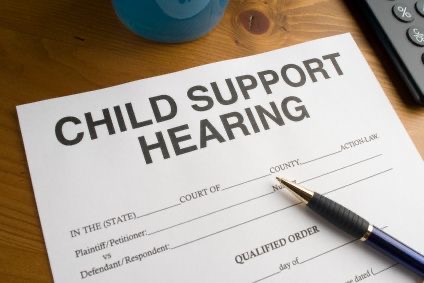
When child support is not paid, the situation can quickly become complicated and stressful for both the custodial parent and the child. Courts treat unpaid child support seriously because the child’s welfare is at stake. Understanding what actually happens in practical terms can help parents know their rights and responsibilities.
First Thing That Happens: Payments Become Arrears
When a parent misses a child support payment, the amount does not simply disappear. Instead, it becomes child support arrears, which means the unpaid amount is recorded as a debt.
For example, if a court orders a parent to pay $300 monthly in child support and they miss three months of payments, they will owe $900 in arrears. That amount continues to accumulate until it is paid.
In many legal systems, the court may also add interest or penalties on unpaid child support, making the debt even larger over time.
The Custodial Parent Can Report the Non-Payment
If child support is not paid, the custodial parent can take action by reporting the issue to the court or a child support enforcement agency.
In practical terms, the custodial parent may:
- File a motion for enforcement in court
- Contact the government child support enforcement office
- Request assistance in recovering unpaid child support
Once the complaint is filed, authorities usually investigate the situation and begin enforcement procedures.
Wage Garnishment Is Often the First Enforcement Step
One of the most common solutions when child support is not paid is wage garnishment.
This means the court orders the non-paying parent’s employer to deduct child support directly from their salary before they receive their paycheck.
For instance, if a parent earns a monthly salary and owes child support, the employer may automatically send the required amount to the custodial parent or the government agency responsible for managing payments.
Wage garnishment is effective because it ensures that child support payments are made regularly without relying on the parent to transfer the money themselves.
Bank Accounts and Assets Can Be Seized
If a parent refuses to pay child support despite court orders, the court may authorize stronger enforcement actions.
Authorities may:
- Freeze bank accounts
- Withdraw money from bank accounts
- Place liens on property or assets
This means the government can legally collect unpaid child support directly from the parent’s financial resources.
For parents who try to avoid their child support obligations, this enforcement method can create serious financial consequences.
Suspension of Driver’s or Professional Licenses
Another realistic consequence when child support is not paid is the suspension of certain licenses.
Depending on the jurisdiction, authorities may suspend:
- Driver’s licenses
- Professional licenses
- Business licenses
For example, if a parent works in a profession that requires certification, failing to pay child support could result in losing the legal right to practice that profession until the debt is settled.
This type of enforcement is designed to pressure the parent into complying with their child support obligations.
Tax Refunds May Be Intercepted
In some cases, when child support is not paid, the government may intercept tax refunds.
Instead of receiving their tax refund, the parent who owes child support may see that money redirected to pay the outstanding arrears.
This process is commonly used when the parent has accumulated a significant child support debt.
Court Proceedings and Contempt of Court
If enforcement actions fail and child support remains unpaid, the court may summon the non-paying parent for a hearing.
During the hearing, the judge will ask why the child support payments have not been made. If the judge believes the parent intentionally refused to pay despite having the financial ability, the court may find them in contempt of court.
Contempt of court is a serious legal issue and can lead to penalties such as:
- Fines
- Mandatory repayment plans
- Community service
- Additional legal sanctions
In Extreme Cases, Jail Time Is Possible
Although courts usually prefer other enforcement methods first, jail time can occur if a parent deliberately refuses to pay child support.
This typically happens when:
- The parent has the financial ability to pay
- The parent repeatedly ignores court orders
- Enforcement actions have failed
Judges usually use imprisonment as a last resort to compel compliance with the child support order.
What the Paying Parent Should Do If They Cannot Afford Payments
In real life, some parents fall behind on child support because of genuine financial problems such as job loss, illness, or reduced income.
However, simply stopping payments can create serious legal problems.
Instead, the correct step is to apply for a child support modification through the court. If the court accepts the request, it may reduce the payment amount based on the parent’s current financial situation.
Until the court changes the order, the original child support obligation remains legally enforceable.
The Real Impact on Children
When child support is not paid, the biggest impact is usually felt by the child.
Child support payments help cover essential expenses such as:
- School fees
- Food and daily living costs
- Medical care
- Clothing and transportation
Without regular child support, the custodial parent may struggle to provide these basic needs. This is why courts place strong emphasis on enforcing child support orders.








Leave a Reply