16-04-2026
3MinRead
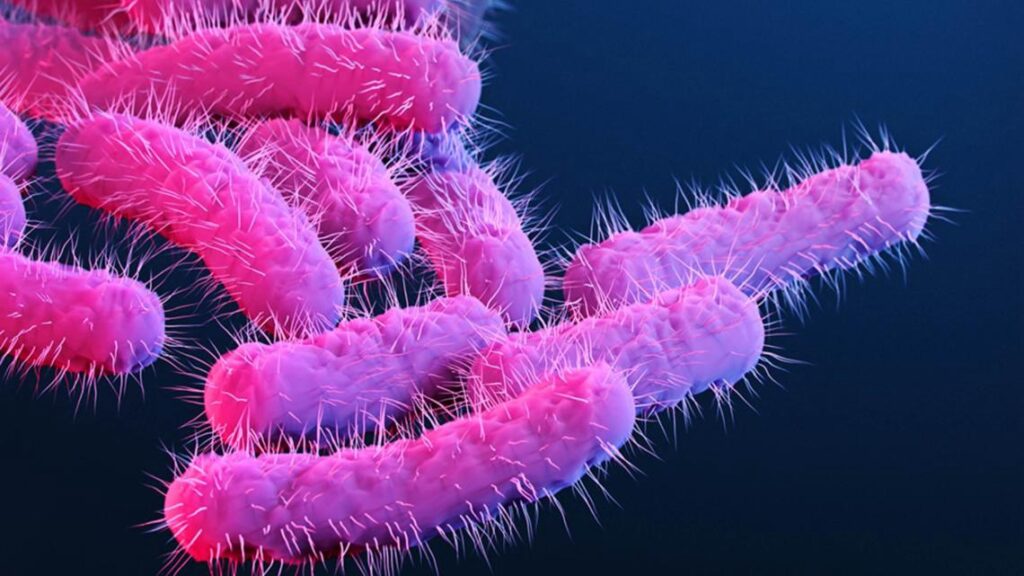
A quiet but alarming public health crisis is unfolding across the United States, and most Americans have never heard of it. A drug-resistant strain of a common bacterial infection is rising sharply, and health officials are taking notice.
The Centers for Disease Control and Prevention (CDC) has released new data confirming that extensively drug-resistant Shigella known as XDR Shigella is growing at a troubling pace, raising urgent questions about how we treat and contain it.
What Is Shigella, and Why Does Drug Resistance Matter?
Shigella is a bacterium that causes shigellosis, an intestinal infection characterized by severe diarrhea, stomach cramping, fever, and in some cases blood in the stool. It spreads easily through contaminated food, water, and person-to-person contact, making it particularly difficult to contain in crowded settings. Historically, Shigella was manageable with standard antibiotics but that picture is changing fast. The emergence of drug-resistant strains means that the medications doctors have relied on for decades are becoming less and less effective, leaving patients with fewer options and longer recovery times.
The Numbers Tell a Worrying Story
The scale of the drug-resistant problem becomes clearer when you look at the CDC’s data over time. Between 2011 and 2015, XDR Shigella accounted for precisely 0% of Shigella cases in the United States. By 2023, that figure had climbed to 8.5% a rise from essentially nothing to a meaningful share of all infections in less than a decade. With roughly 450,000 Shigella infections occurring in the US every year, that percentage translates to more than 36,000 Americans potentially suffering from the drug-resistant variety annually. That’s not a rounding error that’s a small city’s worth of people facing an infection that standard treatments may not be able to fix.
Who is most At Risk?
While anyone can contract Shigella, the drug-resistant strain poses a particular threat to vulnerable populations. Young children, the elderly, immunocompromised individuals, and people experiencing homelessness face heightened risks from any form of Shigella but the drug-resistant variety compounds those dangers significantly. When first-line antibiotics fail, doctors must turn to second- or third-line drugs, which may carry more side effects, higher costs, and in some cases may still prove ineffective. For a healthy adult, a Shigella infection is miserable but survivable. For someone already weakened, a drug-resistant infection can become life-threatening.
How did we get Here?
The rise of drug-resistant bacteria is not unique to Shigella it is part of a broader global crisis of antimicrobial resistance (AMR) that the World Health Organization has called one of the greatest threats to human health. Overuse and misuse of antibiotics in medicine and agriculture have created evolutionary pressure that encourages bacteria to develop resistance. Shigella, which mutates and adapts quickly, has proven especially adept at acquiring drug-resistant genes, sometimes picking them up from other bacterial species entirely. The drug-resistant strains we see today are the direct result of decades of imperfect antibiotic stewardship.
What can be Done?
Addressing drug-resistant Shigella requires action on multiple fronts. On the individual level, rigorous hand-washing particularly after using the restroom and before handling food remains the single most effective way to prevent transmission. On the clinical level, doctors are urged to use antibiotics judiciously and to test bacterial strains before prescribing treatment. On the policy level, increased funding for surveillance, research into new antibiotics, and stronger stewardship programs are all essential tools in slowing the spread of drug-resistant infections.
A wake up call we cannot afford to ignore
The steady climb of drug-resistant Shigella from 0% to 8.5% of all cases in under a decade is a warning sign that demands a serious public health response. If that trajectory continues unchecked, the drug-resistant strain could become the dominant form of the infection, making tens of thousands of cases each year far harder and more expensive to treat. Shigella may not make headlines the way other pathogens do, but its drug-resistant evolution is exactly the kind of slow-moving crisis that catches communities unprepared. The time to act is now, before the numbers climb any higher.