

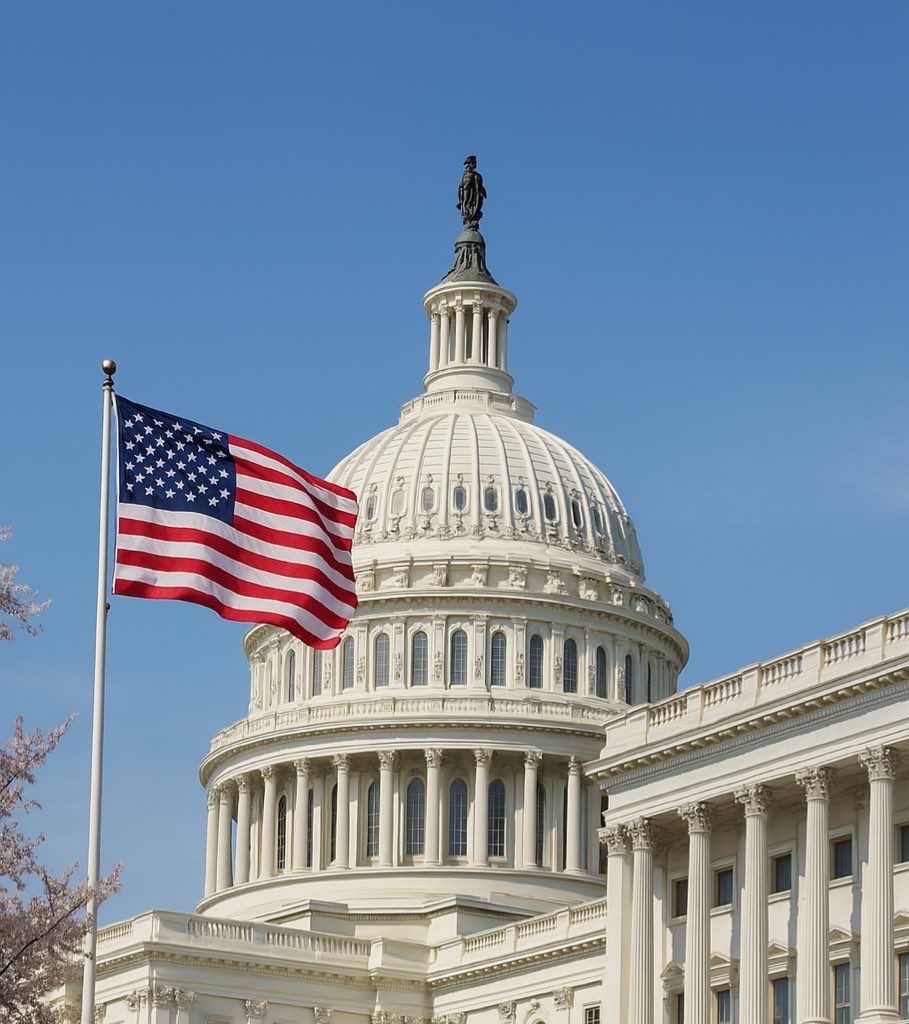
Criminal law plays a central role in modern society. It protects people from harm, defines crime, and delivers justice through a structured criminal justice system made up of police, courts, and correctional institutions. Without it, social order and public safety would collapse.
At its core, criminal law aims to deter wrongdoing, punish offenders, rehabilitate them when possible, and protect the rights of victims and communities. These goals continue to shape debates about fairness and punishment around the world.
You May Have Missed: HOW TO BOOST YOUR LEGAL CAREER PROSPECTS AFTER LAW SCHOOL.
Crimes today range from traditional offenses — such as assault, theft, and homicide — to digital and cross-border offenses like cybercrime, identity theft, and online fraud. Technology has forced the legal system to evolve faster than ever, raising new questions about privacy, surveillance, and digital evidence.
A key feature of the criminal justice system is due process, which protects the rights of the accused. Principles like presumption of innocence and the right to legal representation ensure that state power is balanced with individual freedoms.
As societies change, the future of criminal justice will be shaped by technology, human rights advocacy, data-driven policing, and public opinion. Understanding how law and society interact is essential for building systems that are fair, effective, and humane.









Leave a Reply