


In a world filled with growing threats both online and offline security has become a daily necessity rather than an occasional concern.
Criminals, scammers, and cyber attackers are becoming more sophisticated, and even one careless action can expose you to serious loss.
Therefore, developing strong security habits is one of the smartest and most empowering decisions you can make.
When security becomes part of your routine, you reduce risks, protect your finances, and safeguard your peace of mind.
Below are 20 practical and powerful ways to become more security-conscious, with deeper explanations to help you apply them effectively.
USE STRONG UNIQUE PASSWORD
The first line of digital security is your password. Weak passwords like “123456” or your birthdate are extremely easy to guess. Instead, create long, complex passwords that combine letters, numbers, and symbols. More importantly, never reuse passwords across multiple accounts. If one account is compromised, attackers will try the same password everywhere else. Using unique passwords ensures that one breach does not destroy your entire digital security.
ENABLE TWO FACTOR AUTHENTICATION
Even strong passwords can be stolen. That is why two-factor authentication (2FA) is a powerful security tool. It requires a second form of verification such as a code sent to your phone or generated by an app before access is granted. This means that even if a hacker has your password, they still cannot enter your account without the second step.
KEEP SOFTWARE UPDATED
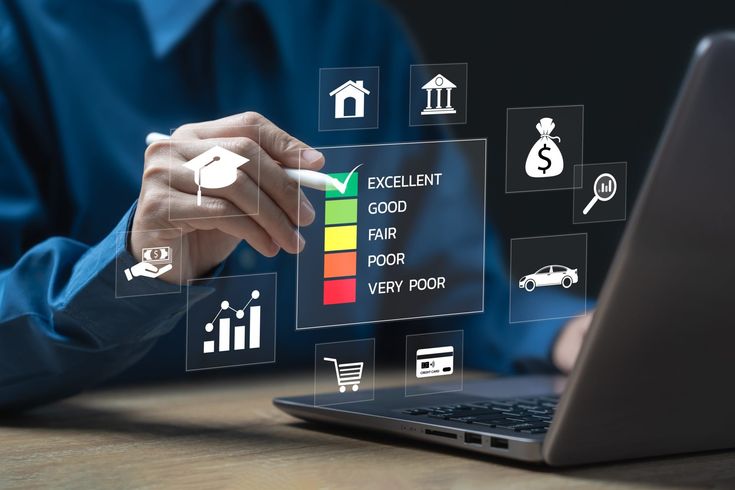
Software updates are not just about new feature they are critical for security. Developers constantly fix vulnerabilities that attackers exploit. When you ignore updates, you leave your devices exposed. Therefore, always install updates for your phone, apps, and computer as soon as they become available.
BE CAREFUL WITH PUBLIC WIFI
Public Wi-Fi in cafés, airports, or malls is convenient, but it is often unsecured. Hackers can intercept your data on these networks. If you must use public Wi-Fi, avoid logging into bank accounts or entering sensitive information. For stronger security, use a trusted VPN to encrypt your connection.
LOCK YOUR DEVICES
Leaving your phone or laptop unlocked is an open invitation for misuse. Anyone can access your messages, photos, or financial apps within seconds. Always use a strong PIN, fingerprint, or facial recognition. This simple security habit can prevent identity theft and unauthorized transactions.
WATCH OUT FOR PHISHING SCAMS
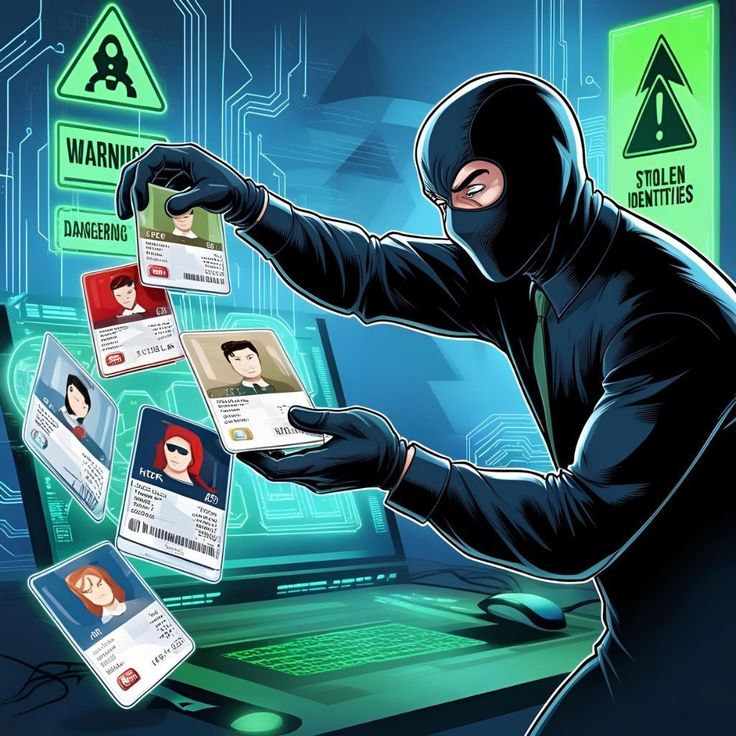
Phishing is one of the most common security threats. Attackers send emails or messages pretending to be banks, delivery companies, or social media platforms. They trick you into clicking malicious links or revealing sensitive information. Always check the sender’s address and avoid clicking suspicious links. When in doubt, contact the company directly.
SECURE YOUR SOCIAL MEDIA
AccountsOversharing personal information weakens your security. Details like your birthday, home address, or school can be used to guess passwords or answer security questions. Adjust your privacy settings and limit what strangers can see. The less information you expose, the stronger your personal security
INSTALL ANTIVIRUS AND FIREWALL PROTECTION
Malware and viruses can silently steal your data or damage your device. Antivirus software detects and removes these threats. A firewall adds another layer of security by blocking suspicious connections. Together, they form a powerful defense against cyberattacks.
AVOID SHARING SENSITIVE INFORMATION
Never share passwords, bank details, or personal identification numbers, even with people who claim to be officials. Legitimate organizations rarely ask for such details through calls or messages. Protecting this information is a fundamental rule of financial security.
REGULARLY BACKUP IMPORTANT DATA
Data loss can occur due to hacking, device failure, or accidental deletion. Backups act as a security safety net. Store copies of important files in secure cloud storage or external drives. If something goes wrong, you can restore your data quickly.
MONITOR BANKS AND ONLINE ACCOUNTS
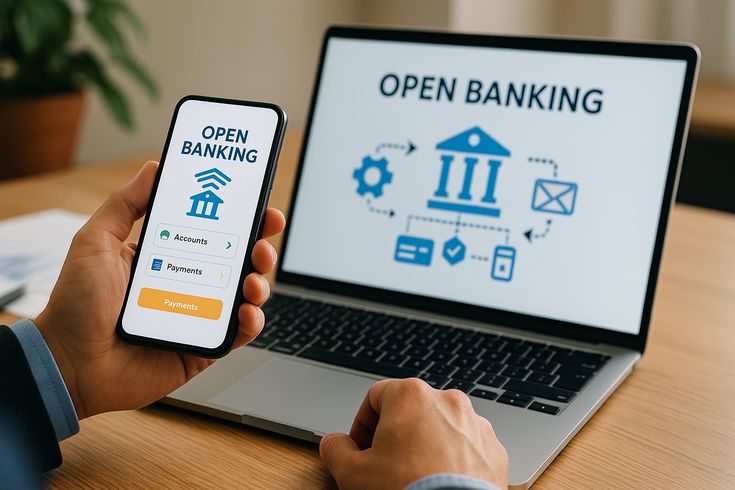
Checking your accounts regularly improves financial security. Many people only notice fraud after major losses. However, early detection allows you to act fast, block cards, and report suspicious activity before the damage grows.
BE ALERT IN PUBLIC SPACES
Physical security is just as important as digital safety. Always stay aware of your surroundings, especially in crowded or unfamiliar places. Avoid displaying expensive items openly. Simple awareness can prevent theft or dangerous encounters.
SECURE YOUR HOME PROPERLY

Your home should be your safest place. Strong locks, security lights, and cameras discourage intruders. Even basic measures like locking doors and windows consistently can dramatically improve home security.
AVOID USING UNKNOWN USB DEVICES
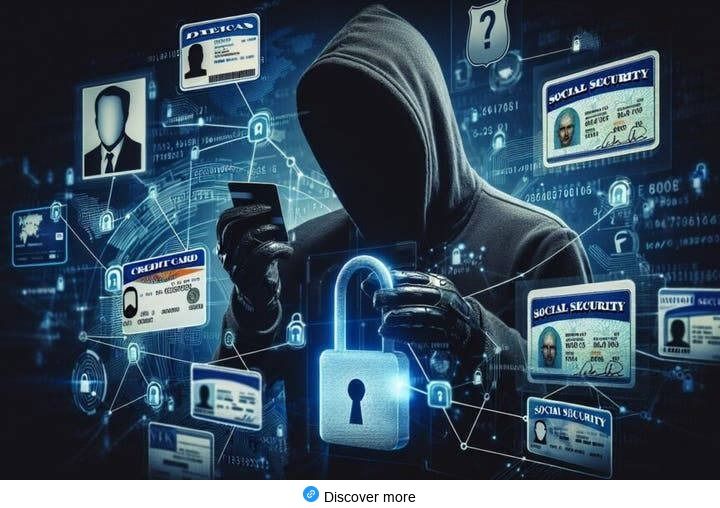
USB drives may contain malware designed to steal data. Plugging one into your device can compromise your entire system. For better security, only use trusted storage devices.
USE SECURE PAYMENT METHODS
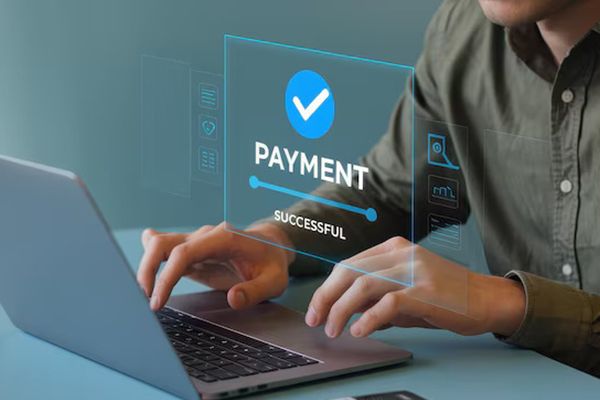
Whenever possible, choose encrypted and secure payment options. Avoid sending money through unofficial channels or unverified links. Secure payment methods reduce the risk of fraud and strengthen financial security.
SHRED SENSITIVE DOCUMENTS
Throwing away documents with personal details exposes you to identity theft. Criminals can retrieve this information from trash. Shredding sensitive papers is a simple but effective security measure.
EDUCATE YOURSELF ON NEW THREATS

Security threats change constantly. New scams and cyberattacks appear every day. Staying informed helps you recognize suspicious activity early. Knowledge is one of the most powerful tools in personal security.
BE CAREFUL WITH APP PERMISSION
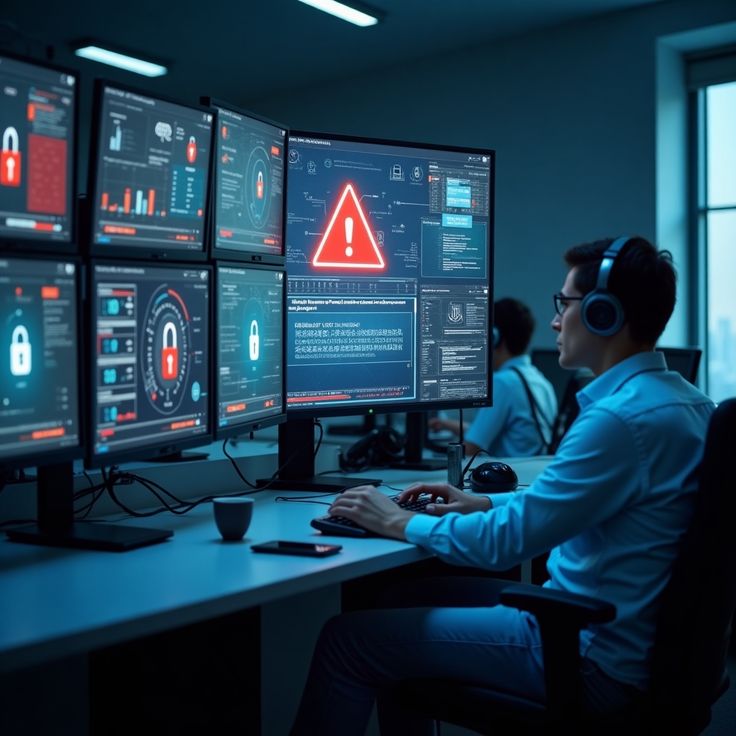
Many apps request access to your contacts, camera, or location—even when unnecessary. Granting these permissions blindly can weaken your privacy and security. Always review and limit permissions to what is truly required.
TRAVEL WITH SECURITY AWARENESS
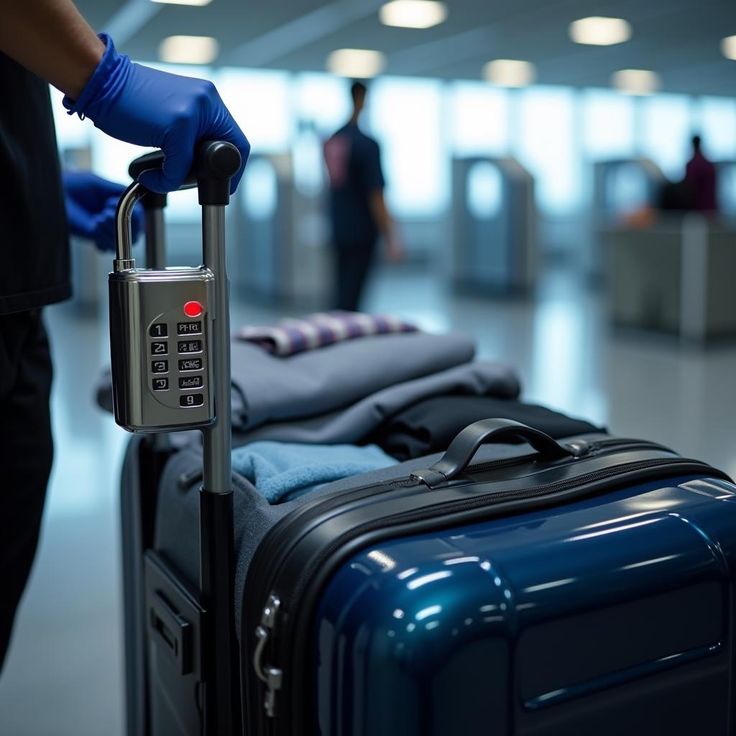
When traveling, your security risks increase. Keep valuables out of sight, use secure bags, and store documents safely. Avoid sharing your location publicly in real time. Travel security habits protect both your belongings and identity.
TRUST YOUR INSTINCTS

Your intuition is a powerful security tool. If something feels suspicious—whether online or in real life pause and reassess. Walking away from a risky situation is often the smartest decision you can make.








Leave a Reply