

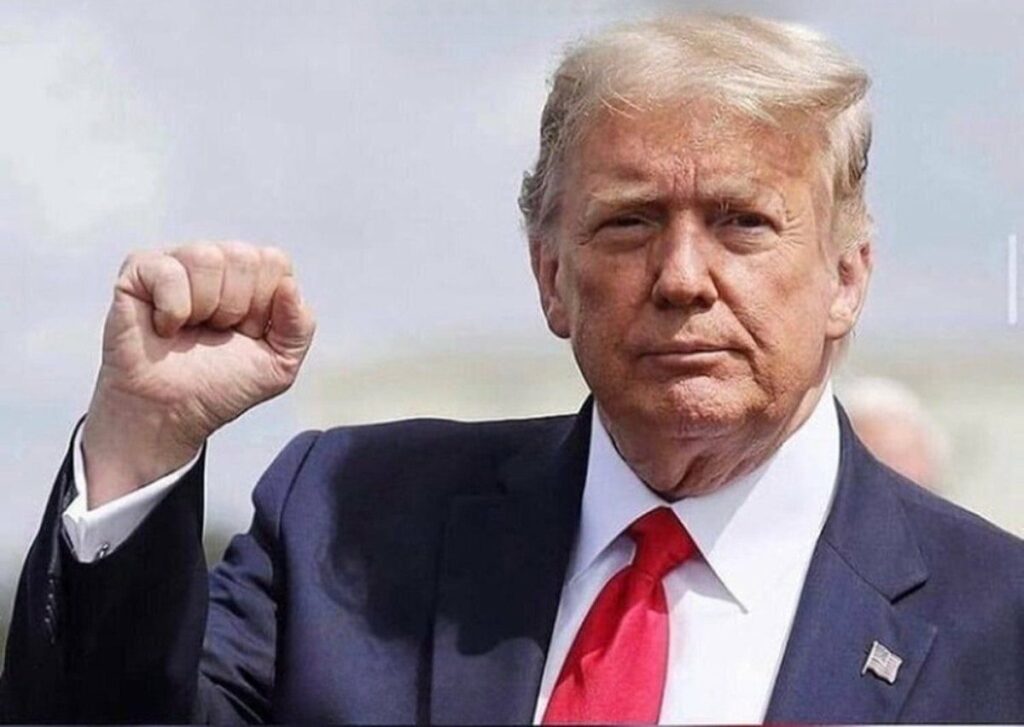
Trump Announces New Phase of Military Action Against Drug Cartels
Former U.S. President Donald Trump has revealed that the United States will now launch land-based attacks against drug cartels, marking a significant escalation in Washington’s anti-narcotics military strategy. Speaking during an appearance on Fox News’s Hannity, Trump stated that “We are going to start now hitting land with regard to the cartels. The cartels are running Mexico,” though he did not provide additional operational details.
This announcement immediately sparked global attention, as it represents one of the boldest public declarations of U.S. military intervention against criminal organizations in recent years.
A Shift From Maritime Strikes to Ground Operations.
For months, the U.S. has carried out targeted strikes against vessels allegedly linked to narcotics trafficking in the Caribbean Sea and surrounding waters. Pentagon officials noted that some of the individuals onboard belonged to Tren de Aragua, a Venezuelan criminal syndicate designated as a foreign terrorist organization in 2024.
By transitioning from maritime strikes to land operations, the Trump administration is signaling a more aggressive strategy—one aimed not only at disrupting drug supply chains but also at weakening cartel control in the region.
Escalation in Venezuela: Capture of Nicolás Maduro.
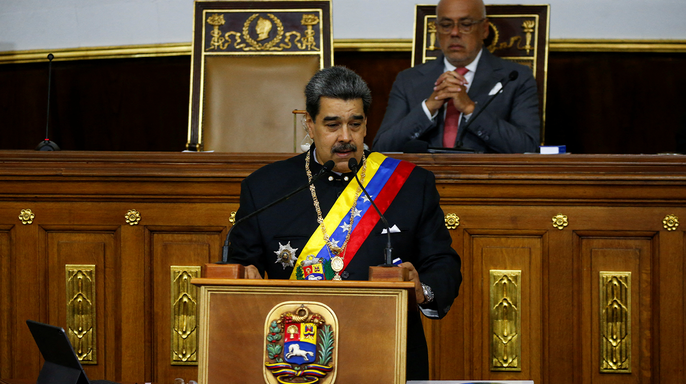
Meanwhile, the United States dramatically intensified its Venezuela intervention. Over the weekend, U.S. special forces captured Venezuelan President Nicolás Maduro and his wife, Cilia Flores, transporting them to American soil to face narco-trafficking charges.
In addition, U.S. military units carried out targeted strikes on infrastructure in northern Venezuela before raiding Maduro’s residence in Caracas. This unprecedented operation added a new dimension to the ongoing Venezuela crisis, reshaping the political landscape across Latin America.
U.S. Targets Venezuela’s Oil Industry
As part of its post-operation strategy, the Trump administration announced efforts to establish control over key elements of Venezuela’s oil industry. Officials stated that Venezuela would transfer between 30 to 50 million barrels of oil to the United States, a move framed as part of broader stabilization measures.
This decision further heightened tensions in global energy markets while intensifying political debate over U.S. involvement in foreign resource sectors.
International Backlash and Regional Condemnation
However, the operation has been met with strong condemnation from several countries. Governments in Brazil, Mexico, and Russia criticized the U.S. actions, warning of increased instability and potential ripple effects across the Western Hemisphere.
Mexican President Claudia Sheinbaum issued one of the strongest rebukes, stating:
“Intervention has never brought democracy, nor has it generated lasting well-being or stability. We categorically reject intervention in the internal affairs of other countries.”
Her remarks reflect growing regional discomfort with what many fear could evolve into a long-term U.S. military presence in Latin America.
Trump Praises U.S. Military Personnel
Despite global criticism, Trump commended the U.S. military personnel involved in the Venezuelan operations. He described the troops as a “fantastic group” and highlighted their precision and effectiveness, signaling unwavering support for further counter-cartel operations.
The former president also suggested that the new phase of land-based missions would be crucial in dismantling drug trafficking networks that he claims have gained influence throughout Mexico and across regional borders.
What This Means for U.S. Latin America Relations
The introduction of land strikes against drug cartels, combined with active involvement in Venezuelan political affairs, could reshape U.S.–Latin America relations for years to come. Analysts warn that, although the operations may disrupt criminal networks, they also risk escalating diplomatic tensions and fueling long-term geopolitical conflict.
As the situation develops, global observers are watching closely to see how Washington’s increasing military activity will affect the broader Latin American security landscape.









Leave a Reply