

The U.S. House of Representatives has passed a significant spending bill designed to prevent another government shutdown at the end of January. The legislation, approved on Jan. 8 through a widely bipartisan vote, now moves to the Senate for final consideration ahead of a critical Jan. 30 deadline.
The funding package received overwhelming support in the chamber, with 397 lawmakers backing the measure and only 28 voting against it. The decisive vote signals renewed interest in bipartisan cooperation within Congress, especially after last year’s historic shutdown that pushed the federal government into financial uncertainty and political chaos.
THE SENATE FACES TIGHT DEADLINE TO AVERT FUNDING LAPSE
Now, the responsibility shifts to the Senate, which has less than three weeks including a scheduled recess to secure passage and avoid another lapse in federal funding. If the Senate fails to act before Jan. 30, the government could face another temporary closure, reviving fears of political gridlock, economic disruption, and stalled federal services.
Unlike last fall’s record-breaking shutdown, large portions of the government have already been funded for the remainder of the fiscal year. This makes the scenario less severe; however, lawmakers remain cautious as negotiations continue behind the scenes
HEALTH CARE COSTS REMAIN A MAJOR STICKING POINT.
A key source of contention continues to be rising health care expenses, which fueled much of the disagreement leading to last year’s shutdown. Top Democrats have made it clear they are unwilling to repeat the intense political standoff, especially as talks progress on how best to address skyrocketing health care spending and budget allocations.
Senate Minority Leader Chuck Schumer signaled optimism regarding cross-party cooperation, telling ABC’s This Week on Jan. 4: “The good news is our Republican appropriators are working with us, and we’re making good progress in that regard.” His comments reflect growing confidence that Congress may avoid reopening a contentious political chapter.
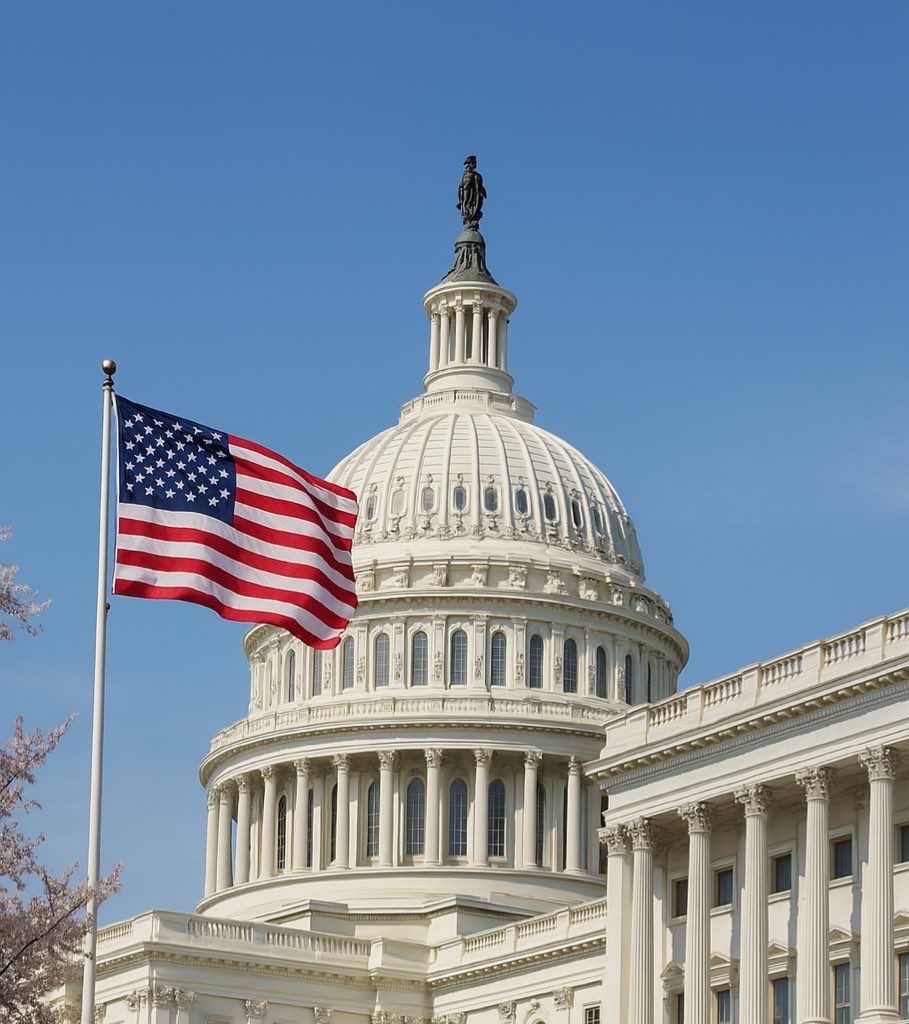
The looming deadline carries both political and economic implications. Shutdowns tend to damage public confidence, disrupt government-funded programs, delay payments, and derail federal operations ranging from national parks to social services. Economists warn that repeated shutdown threats contribute to financial instability, hinder long-term planning, and erode investor confidence.
Moreover, with election cycles intensifying, bipartisan collaboration on government funding showcases stability and responsible governance factors that could influence voter perception of Congress, the White House, and broader party leadership.
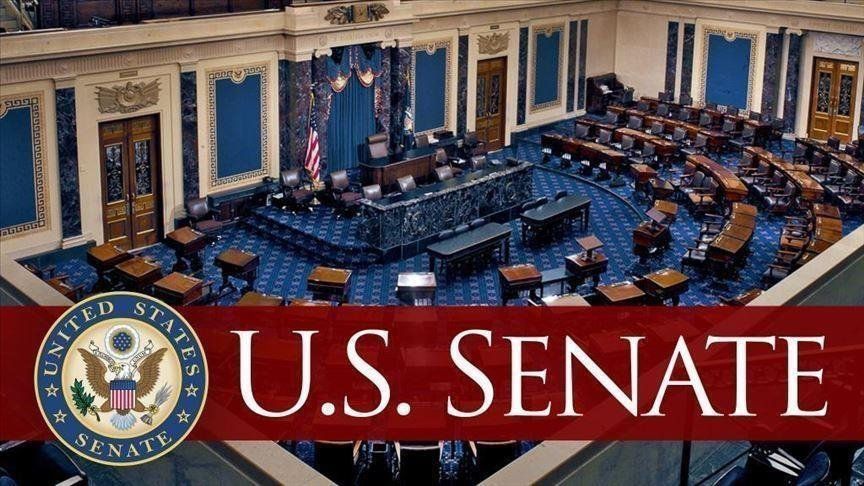
As Jan. 30 approaches, analysts argue the probability of a second major shutdown remains low, thanks to bipartisan support and ongoing negotiations. However, until the Senate finalizes the bill, the risk is not entirely eliminated. If passed, the legislation would ensure continuous government funding while giving lawmakers more room to address unresolved budget disputes, including health care, social spending, and defense priorities.
For now, Washington’s attention remains fixed on the Senate chamber, where both timing and political cooperation will determine whether the federal government remains open or once again faces the consequences of partisan brinkmanship.











Leave a Reply