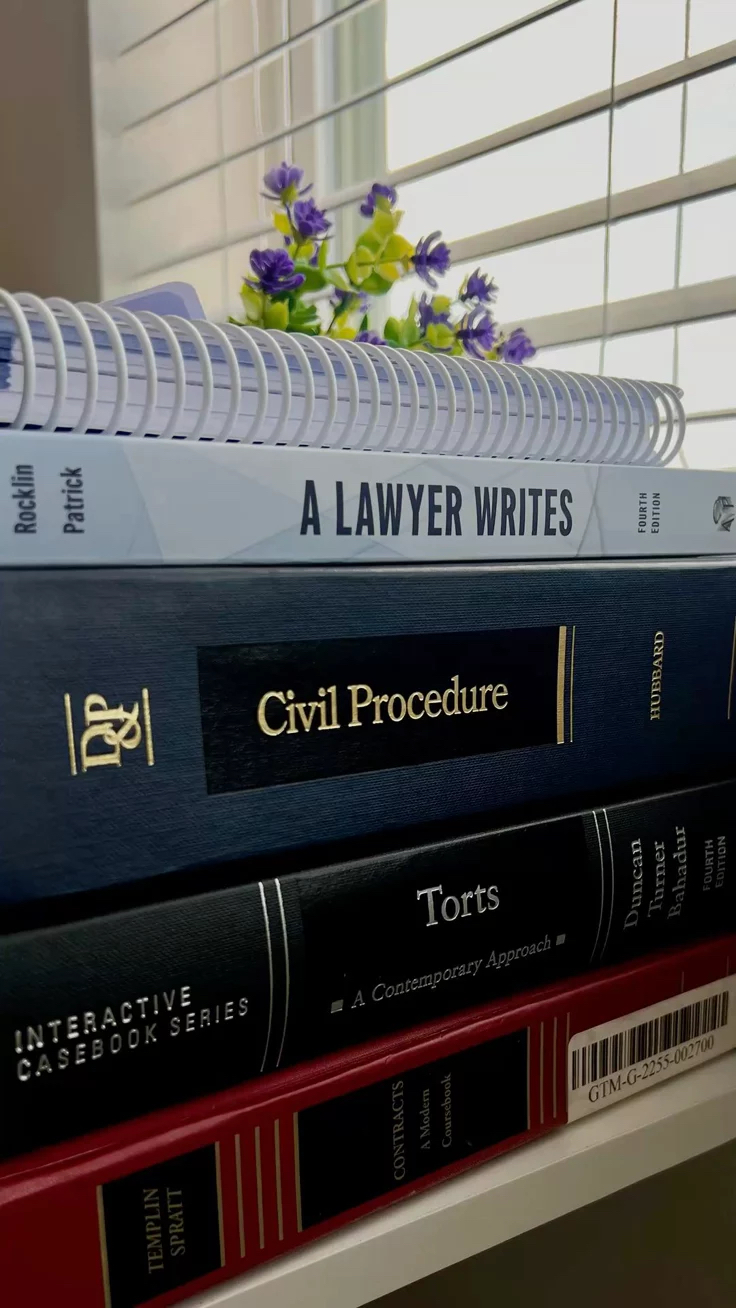
Law school is intellectually demanding, emotionally draining, and brutally competitive. Many students enter the legal profession believing success depends entirely on memorizing cases, citing authorities, and passing examinations. However, the truth is far more complex. The best lawyers are not simply students with excellent grades. They are strategic thinkers, persuasive communicators, disciplined readers, and emotionally intelligent advocates.
That is precisely why books for law students matter beyond the classroom. The right books sharpen analytical thinking, improve legal writing, strengthen advocacy skills, and expose students to the realities of justice, power, and human behavior. In fact, reading the best books for law students can transform an average student into a formidable legal mind.
Moreover, these books for law students do something lecture halls often fail to do: they teach wisdom alongside legal knowledge. While textbooks explain legal principles, broader reading teaches judgment, strategy, negotiation, ethics, and leadership. Consequently, students who intentionally study the best books for law students often develop stronger courtroom confidence and deeper intellectual maturity.
Therefore, if you want to survive law school and eventually thrive in legal practice, the following list of books for law students deserves your attention.
1. To Kill a Mockingbird by Harper Lee

Among the greatest books for law students, this novel remains timeless because it explores justice, prejudice, morality, and courage through the legal profession. The story follows Atticus Finch, a lawyer who defends a Black man falsely accused of rape in a deeply racist society.
More importantly, this book teaches that law is not merely about technical arguments. Instead, it demonstrates that lawyers often carry ethical responsibilities that extend far beyond the courtroom.
Additionally, Atticus Finch represents qualities every lawyer should develop:
Integrity Professionalism Calm advocacy Moral courage Respect for due process

Furthermore, this novel forces students to confront uncomfortable truths about systemic injustice. It reminds future lawyers that the law can either protect vulnerable people or reinforce oppression depending on who interprets and applies it.
Without question, this is one of the most influential books for law students ever written.
2. Letters to a Law Student by Nicholas McBride

Unlike many academic texts, this book speaks directly to law students in a practical and conversational manner. It explains how legal education truly works and exposes the mistakes that cause many students to struggle unnecessarily.
Importantly, one reason this remains one of the best books for law students is because it teaches students how to think rather than what to memorize.
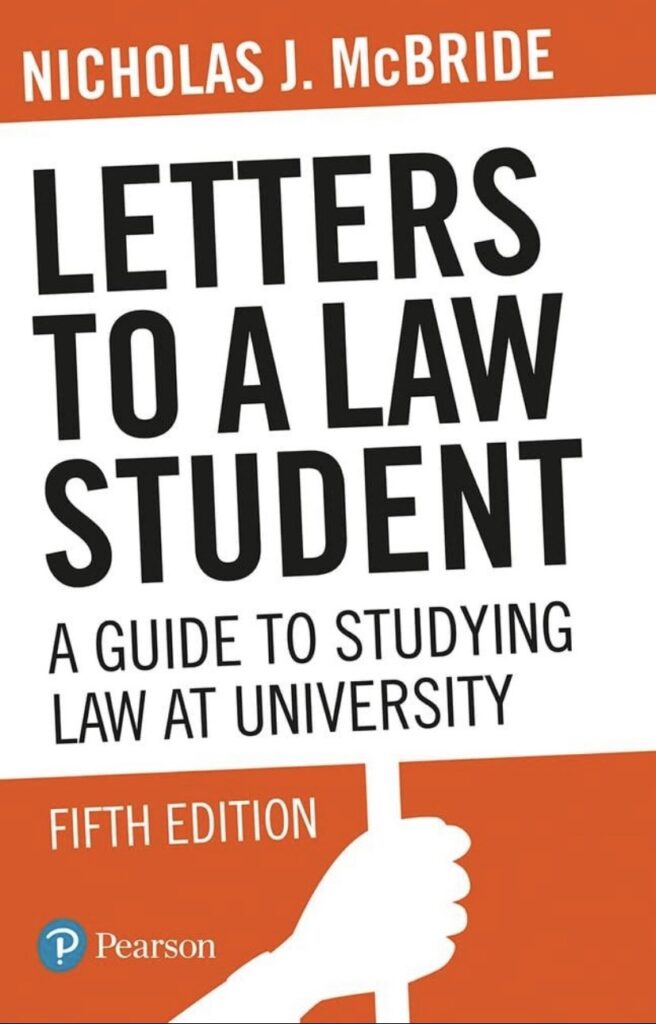
For instance, the book explains:
How to read cases efficiently How to identify legal issues How to structure arguments How to answer problem questions How to survive academic pressure
In addition, it helps students understand that law school is designed to change the way they analyze problems. Many students resist this process and become frustrated. However, this book explains the transformation clearly and intelligently.
As a result, first-year students especially benefit from reading it early.
The Rule of Law by Tom Bingham
This book is essential for students interested in constitutional law, governance, and human rights. Lord Bingham explains that the rule of law is not merely a political slogan. Rather, it is the foundation upon which civilized societies operate.
Interestingly, many governments publicly claim to respect the law while simultaneously abusing power. Therefore, this book helps students recognize the difference between genuine legality and political manipulation.
The book discusses:
Equality before the law Human rights protections Judicial independence Government accountability Fair legal procedures
Furthermore, it demonstrates why weak legal institutions often lead to corruption, abuse of authority, and instability.
For students studying constitutional or public law, this remains one of the most intellectually valuable books for law students available today.
4. Getting to Yes by Roger Fisher and William Ury
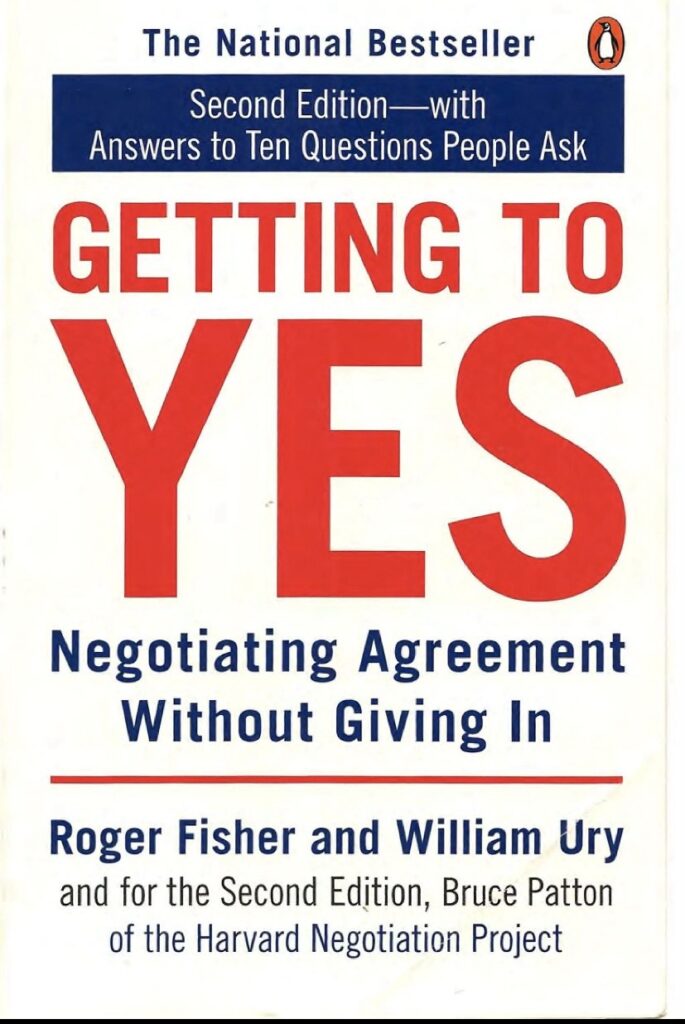
Surprisingly, many law students believe courtroom litigation is the primary skill lawyers need. In reality, most legal disputes are resolved through negotiation.
Consequently, this book becomes extremely important because it teaches students how to negotiate intelligently without unnecessary hostility.
The authors explain:
Interest-based negotiation Strategic compromise Conflict resolution Effective communication Persuasive bargaining
Additionally, the book teaches that emotional reactions often destroy productive negotiations. Strong lawyers learn how to remain calm, strategic, and solution-oriented under pressure.
In many respects, this is one of the most practical books for law students preparing for corporate law, dispute resolution, or commercial practice.
5. The Bramble Bush by Karl Llewellyn
This classic legal text explains the harsh intellectual reality of legal education. Karl Llewellyn makes it clear that law school is not designed for comfort. Instead, it is designed to discipline the mind.
Notably, this book teaches students:
Precision in reasoning Legal analysis Critical thinking Intellectual discipline Attention to detail
Furthermore, it warns students against shallow reading habits and lazy legal thinking.
Many students enter law school expecting straightforward answers. However, legal reasoning often involves ambiguity, competing interpretations, and policy considerations. This book prepares students mentally for that challenge.
6. Just Mercy by Bryan Stevenson

This deeply emotional book reveals how poverty, racism, and injustice affect criminal justice systems.
Bryan Stevenson shares real experiences defending vulnerable individuals who were failed by the legal system. As a result, students gain insight into the human consequences of legal errors and institutional bias.
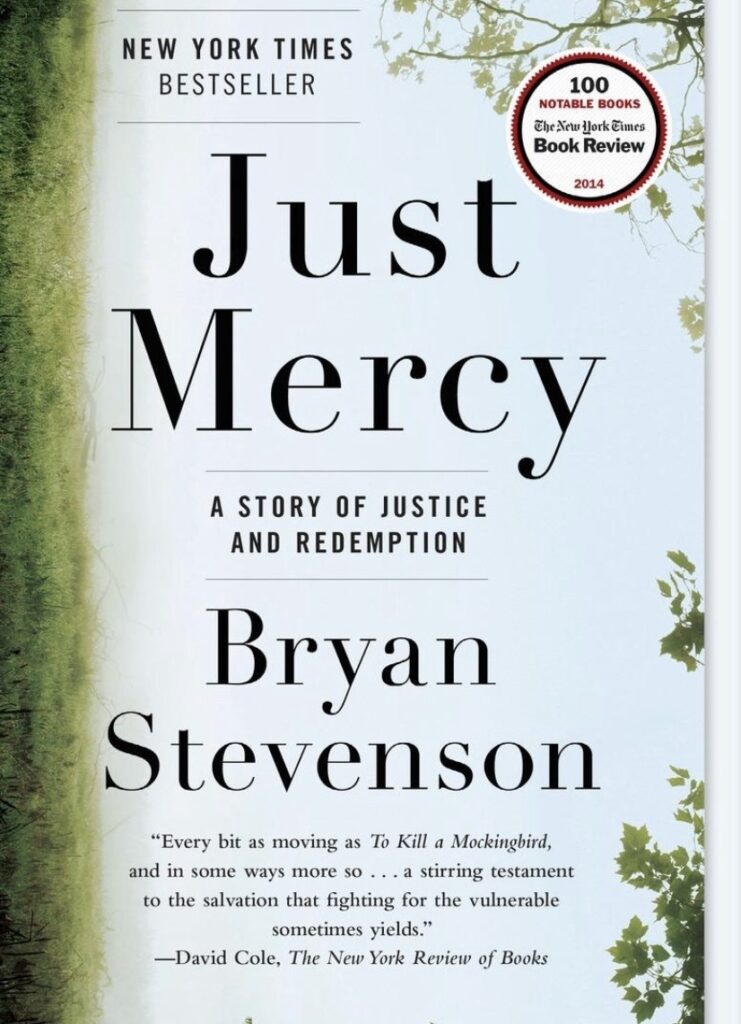
Importantly, this book teaches:
Compassion in legal practice Ethical advocacy Criminal justice reform Human rights awareness The value of persistence
Additionally, it reminds students that legal practice is not merely intellectual work. Lawyers directly influence human lives, freedom, and dignity.
7. Thinking Like a Lawyer by Frederick Schauer
Among the most intellectually challenging books for law students, this work explains how lawyers reason differently from ordinary people.
Specifically, the book discusses:
Legal interpretation Judicial logic Precedent analysis Rule-based reasoning Analogical thinking
Moreover, students learn why legal reasoning sometimes produces conclusions that may initially appear counterintuitive.
This book is especially valuable for students who want to improve:
Essay writing Legal argumentation Moot court performance Analytical precision
8. The Art of War by Sun Tzu
At first glance, this may seem unrelated to law. Nevertheless, strategy plays a major role in litigation, negotiation, and legal advocacy.
This book teaches:
Strategic preparation Tactical thinking Psychological advantage Timing and patience Competitive awareness
For example, strong litigators rarely enter court relying solely on intelligence. Instead, they prepare strategically, anticipate weaknesses, and understand their opponents thoroughly.
Therefore, this remains one of the most underrated books for law students.
9. The Concept of Law by H. L. A. Hart
This book is foundational in jurisprudence and legal philosophy.
Admittedly, it is intellectually difficult. However, difficult books often produce stronger thinkers.
Hart explores:
The nature of law Legal authority Rules and obligations Law and morality Legal positivism
Furthermore, this book helps students understand the philosophical foundations underlying modern legal systems.
Serious law students should not avoid intellectually demanding material simply because it requires patience.
10. Why Nations Fail by Daron Acemoglu and James A. Robinson
This book explains how institutions determine whether societies prosper or collapse.
Importantly, it shows that weak legal systems often encourage:
Corruption Economic instability Political oppression Institutional failure
Consequently, law students gain a broader understanding of how legal structures influence national development.
For students interested in commercial law, governance, or public policy, this is one of the most insightful books for law students available.