Yes, on top of all your casebooks. Trust me.
Look, you’re already drowning in assigned readings. Contracts, Torts, Civil Procedure your casebook stack is probably taller than you are right now. So why am I asking you to read more?
Because there’s a difference between knowing the law and thinking like a lawyer. Your professors will push you toward the former. These books will get you to the latter. Read them on weekends, over breaks, on the train whenever you can. You’ll thank yourself later.
Start Here Before Your First Exam
- Getting to Maybe: How to Excel on Law School Exams — Richard Fischl & Jeremy Paul
This is the book your professor won’t assign but probably should. You know how you’ve been “issue spotting” and wondering why your exam scores don’t reflect how much you studied? This book explains why. Fischl and Paul reveal that law school exams aren’t about finding the answer they’re about navigating genuine legal uncertainty. Read this before finals. Seriously, before finals. - Plain English for Lawyers — Richard C. Wydick
You’re going to write a lot of memos. A lot. And if you write them the way most law students do stuffed with “heretofore,” “whereas,” and sentences that run for half a page your supervising attorney is going to cringe. Wydick fixes that in about 130 pages. Read it before you touch your first legal writing assignment. - Understand What Law Actually Is
The Concept of Law — H.L.A. Hart
At some point in your first year, you’re going to sit in class wondering: “But what even is a law? Why do people follow it?” Hart answers that question better than anyone. Don’t let the word “jurisprudence” scare you this book is genuinely readable, and it will change how you see every rule you study from here on out. - Law’s Empire — Ronald Dworkin
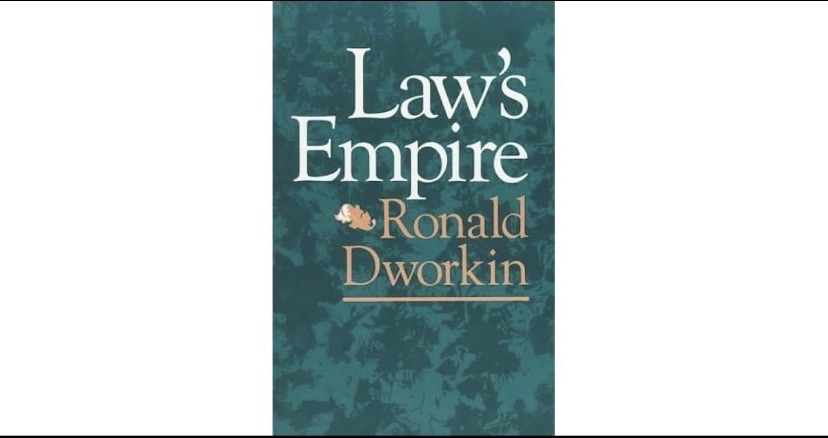
Once Hart gives you the foundation, Dworkin blows it up in the most intellectually exciting way. He argues law isn’t just rules; it’s an ongoing interpretive practice built on principles. You’ll find yourself arguing about this with classmates at 11pm. That’s the point. - Know the History Behind the Cases
The Federalist Papers — Hamilton, Madison & Jay
You will cite constitutional provisions in class. You will quote landmark cases. But if you haven’t read the Federalist Papers, you’re missing the why behind the entire structure. Federalist No. 10 and No. 51 alone will make your Con Law professor think you’re a genius. And they’re completely free. - Simple Justice — Richard Kluger
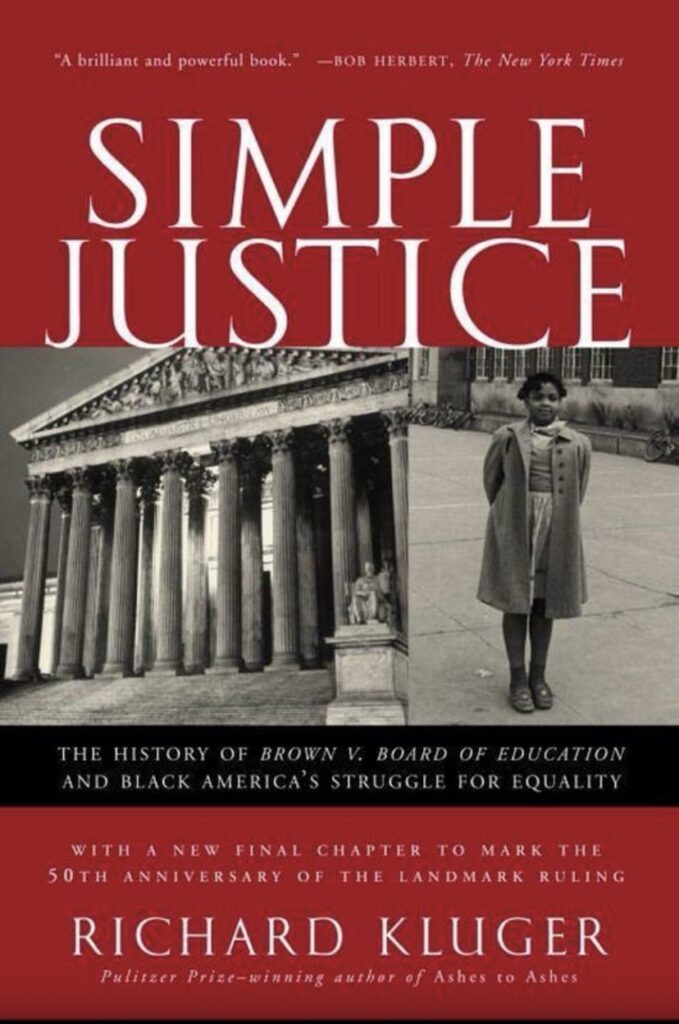
You’ll read Brown v. Board of Education as a two-page excerpt in your casebook. What you won’t read is the decade of legal strategy, personal sacrifice, and constitutional maneuvering that made it happen. Kluger tells that full story. After this, you’ll never see a landmark case the same way again — they’re not handed down from the sky. Lawyers made them happen. - Get Honest About What You’re Walking Into
One L — Scott Turow
Before Turow wrote legal thrillers, he wrote this raw, honest memoir of his first year at Harvard Law. The anxiety, the competition, the moments of self-doubt if you’ve felt any of that, you’ll feel seen. If you haven’t yet, consider this a heads-up. - The Bramble Bush — Karl Llewellyn
Llewellyn wrote this as a welcome address to incoming law students back in 1930, and somehow it’s still one of the most honest things ever written about what law school is actually trying to do to your brain. Short, sharp, and surprisingly funny in places. - Remember Why Any of This Matters
Just Mercy — Bryan Stevenson
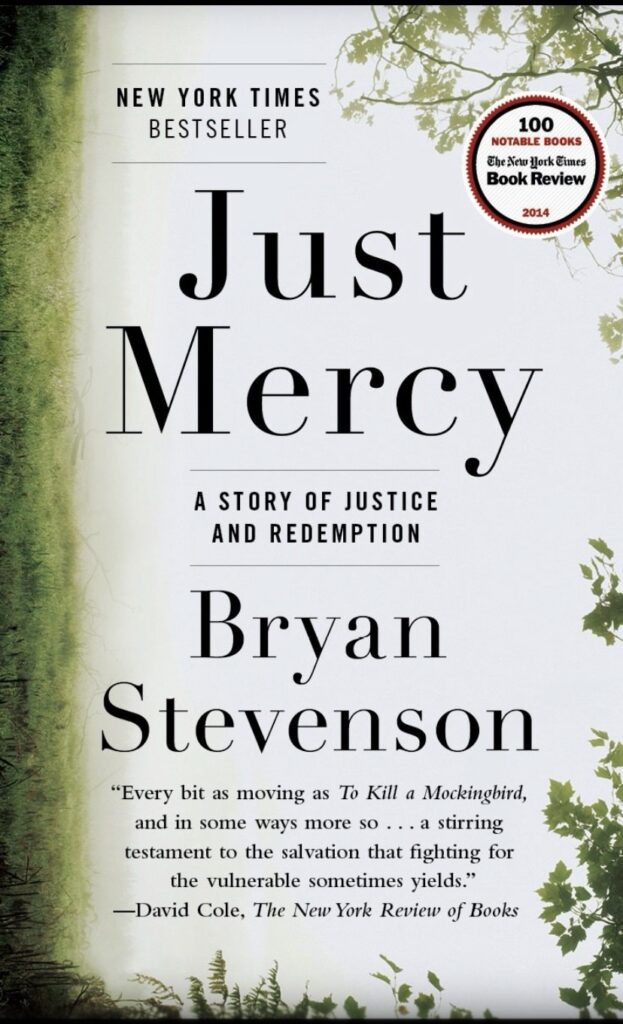
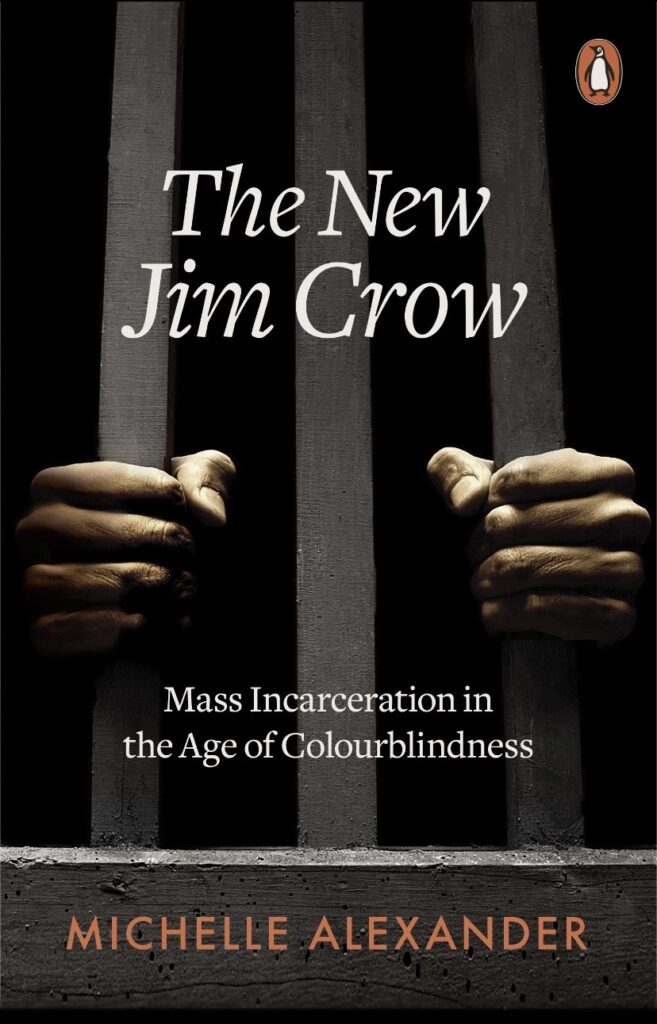
On the days you’re questioning why you chose law school and those days will come read this. Bryan Stevenson’s account of defending death row inmates in Alabama will remind you that the law, used well, can save lives. It’s one of the most important books written about the American justice system. Full stop. - The New Jim Crow — Michelle Alexander
If you’re going into criminal law, civil rights, or public interest work, this isn’t optional it’s required. Alexander’s argument about mass incarceration as a system of racialized social control will reshape how you think about every criminal procedure class you take. - A Theory of Justice — John Rawls
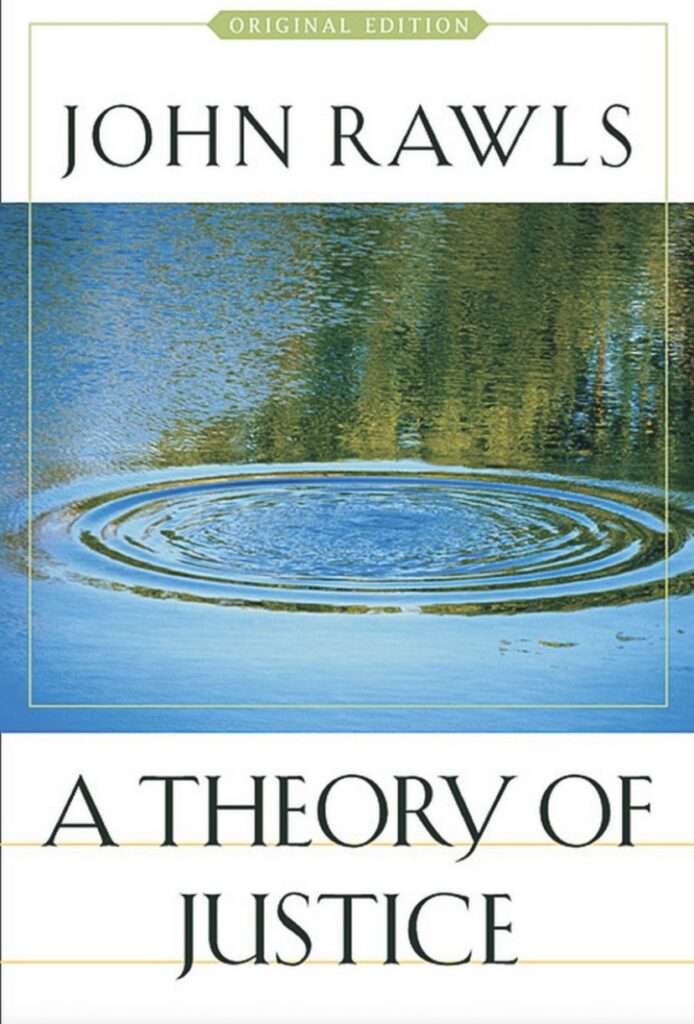
Yes, it’s dense. Yes, it’s long. But Rawls’ “veil of ignorance” thought experiment is one of the most useful frameworks you’ll ever encounter for thinking about fairness, rights, and what the law should look like. You don’t have to read all 600 pages but at least read Part.
You can get free PDF ebooks below:
https://www.scribd.com/document/885356063/Law-Books