April 12, 2026 | Freedom & Law
For 158 years, the federal government held an iron grip over what Americans could and couldn’t do inside their own homes. Make beer? Legal. Brew wine? Perfectly fine. But dare to fire up a still and craft your own whiskey, gin, or vodka and you were looking at five years in federal prison and a $10,000 fine.
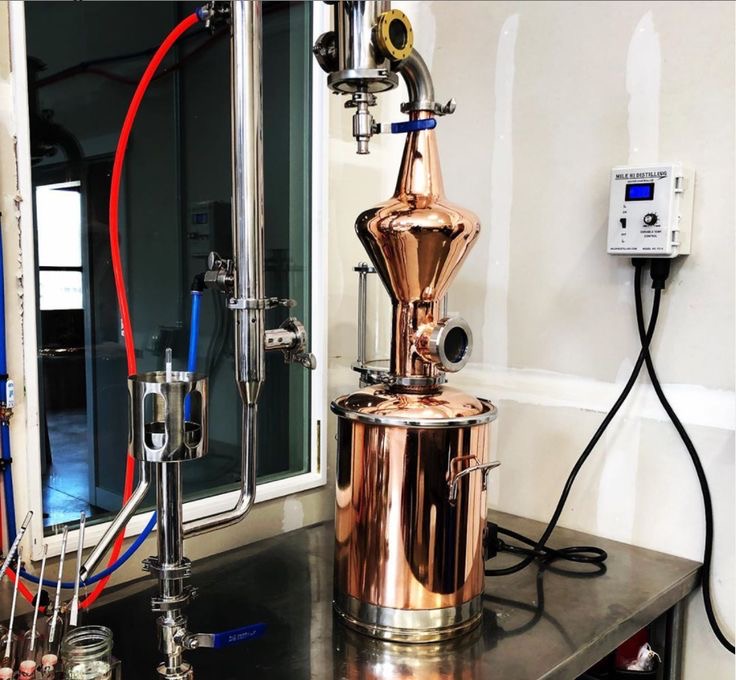
That era is officially over.
On April 10, 2026, the 5th U.S. Circuit Court of Appeals in New Orleans declared the nearly 158-year-old federal ban on home distilling unconstitutional, calling it an unnecessary and improper means for Congress to exercise its power to tax. And the story of how a ragtag group of passionate hobbyists dismantled a law older than the lightbulb is one of the most jaw-dropping David vs. Goliath victories in modern legal history.
A Law Born From Suspicion :Not Safety
To truly grasp why this ruling is so explosive, you need to go back to the summer of 1868. The Civil War had just ended. The government was desperate for tax revenue. And lawmakers, convinced that ordinary Americans couldn’t be trusted to pay their fair share on homemade spirits, passed a sweeping ban that turned home distilling into a federal crime.
Let that sink in. The law wasn’t designed to protect you. It wasn’t born from science or safety research. It was passed during Reconstruction specifically to thwart liquor tax evasion and it subjected violators to up to five years in prison and a $10,000 fine.
For generations, that law quietly destroyed lives. Families torn apart. Careers obliterated. All because someone dared to experiment with fermentation in the privacy of their own home.
The Rebels Who Refused to Accept It
Enter Rick Morris. In 2013, Morris founded the Hobby Distillers Association a defiant, passionate organization built on one simple belief: that free Americans should be allowed to craft spirits at home, just as they brew beer and wine. The association grew to over 1,300 members, and after congressional lobbying efforts were repeatedly blocked largely by commercial distillers who saw home distillers as potential competitors Morris turned to litigation.
That decision changed everything.
Teaming up with the Competitive Enterprise Institute, a powerhouse libertarian legal group, the Hobby Distillers Association filed suit on behalf of four of its members. One of them simply wanted to perfect her apple-pie vodka recipe. None of them wanted to sell a single bottle. They just wanted the irreversible, undeniable freedom to create something extraordinary inside their own four walls.
The Argument That Broke a 158-Year-Old Law
Here’s where it gets truly fascinating. The government’s entire justification for the home distilling ban rested on its power to collect taxes. But the court exposed a devastating flaw in that argument.
The court ruled that the ban actually reduced tax revenue by preventing distilling in the first place unlike laws that regulated the manufacture and labeling of distilled spirits, on which the government could actually collect taxes. In other words, the law Congress passed to protect its tax revenue was, ironically, destroying it.
Circuit Judge Edith Hollan Jones didn’t stop there. She went further and her words were electric. Jones warned that without any limiting principle, the government’s theory would give Congress the power to criminalize virtually any domestic activity that might escape tax collection effectively granting federal authorities a general police power the Constitution never intended them to have.
That argument didn’t just win the case. It shattered the entire legal foundation the ban had rested on for 158 years.
What the Victory Actually Means for Home Distilling
Now, before you rush to order copper tubing and a fermentation kit, there are a few critical things you need to understand. The ruling does not immediately legalize home distilling nationwide. State laws regulating the activity remain in force, and hobbyists would still need to comply with applicable state and local requirements.
Furthermore, the government has 90 days to seek Supreme Court review if it chooses to do so. This battle may not be completely over.
Nevertheless, the cultural significance of this moment cannot be overstated. For the first time in nearly 160 years, home distilling enthusiasts can breathe without the paralyzing fear of federal prosecution hanging over their heads. The playing field has irrevocably shifted.
The Bottom Line
The ruling clears a path for home distilling to emerge from the shadows, free from the threat of harsh penalties rooted in a post-Civil War tax scheme that was outdated the moment it was written.
A 158-year-old law fell not to a powerful lobby, not to a billionaire, but to 1,300 ordinary people who loved making spirits and refused to be told they couldn’t. That is breathtaking. That is historic.
And for every passionate American who ever dreamed of crafting their own small-batch bourbon, their own botanical gin, their own apple-pie vodka home distilling just got a whole lot more interesting.
Fire up the stills. Freedom just won a round.